

‘Children must hold maths in their hands before they hold it in their head’.
At St Bartholomew’s C of E Primary, we follow the National Curriculum, in ensuring all pupils become:
- Fluent in the fundamentals of mathematics
- Able to reason mathematically
- Able to solve problems by applying their mathematical knowledge
We offer to support and challenge children appropriately, so that they fulfil all curriculum requirements by the time that they have finished their primary education. We understand the value of early mathematics’ understanding and ensure our children are equipped with the basics in maths and a deep understanding of core facts to develop automatic recall of key mathematics components.
We want all children to be prepared for the next step in their academic journey, as well as instilling a love of mathematics within all pupils. We recognise that positive attitudes towards mathematics goes hand in hand with success in the subject.
We aim to equip children with all of the essential life skills by the time they leave us, including telling the time, paying for items with money, designing and measuring objects and many more. We ensure that the love of maths that we foster within children equips them for a range of jobs they may want to one day start, all of which would require some level of mathematics to be successful in. We understand the complexities of mathematics in secondary school and try to equip our pupils appropriately for this next stage in their education.
We ensure that our diverse mix of children are submerged into a vocabulary rich curriculum and that all mathematical terms and words are understood and applied.
Finally, we want children to love maths and to look forward to their lessons and see the wider world benefit of the subject.
Curriculum - Maths - Pupil & Staff Quotes
‘I enjoy singing number songs with the children. Such a fun way to learning all about numbers’ – EYFS Staff
‘My favourite thing about teaching Maths is seeing a child experience their own lightbulb moment’ – St Bart's Staff
‘I love using the White Rose Scheme. It provides a range of ideas, support and inspiration to apply in every lesson’ – St Bart's Staff
‘Using manipulatives makes our Maths lessons fun, engaging and accessible for all abilities’ – St Bart's Staff
‘My class love learning Maths. We particularly love singing counting songs, it’s a great way to learn our timetables’ – KS1 Staff
‘I love learning all about numbers’ – KS1 Pupil
‘Our Maths at St Barts is fun!’ – KS2 Pupil
‘I enjoy Maths because I like learning about useful things like time. I can then use that everyday’ – KS2 Pupil
‘I love Maths because I get to learn something new everyday!’ – KS2 Pupil
‘Knowing my timetables and some division facts allows me to work out other mathematical questions’ – KS2 Pupil
‘Once I have finished my Maths work, I love to get a Math Challenge and test my own thinking’ – KS2 Pupil
Curriculum - Maths - Useful Links
White Rose Maths - Maths with Michael
Curriculum - Maths - Adding and Subtracting
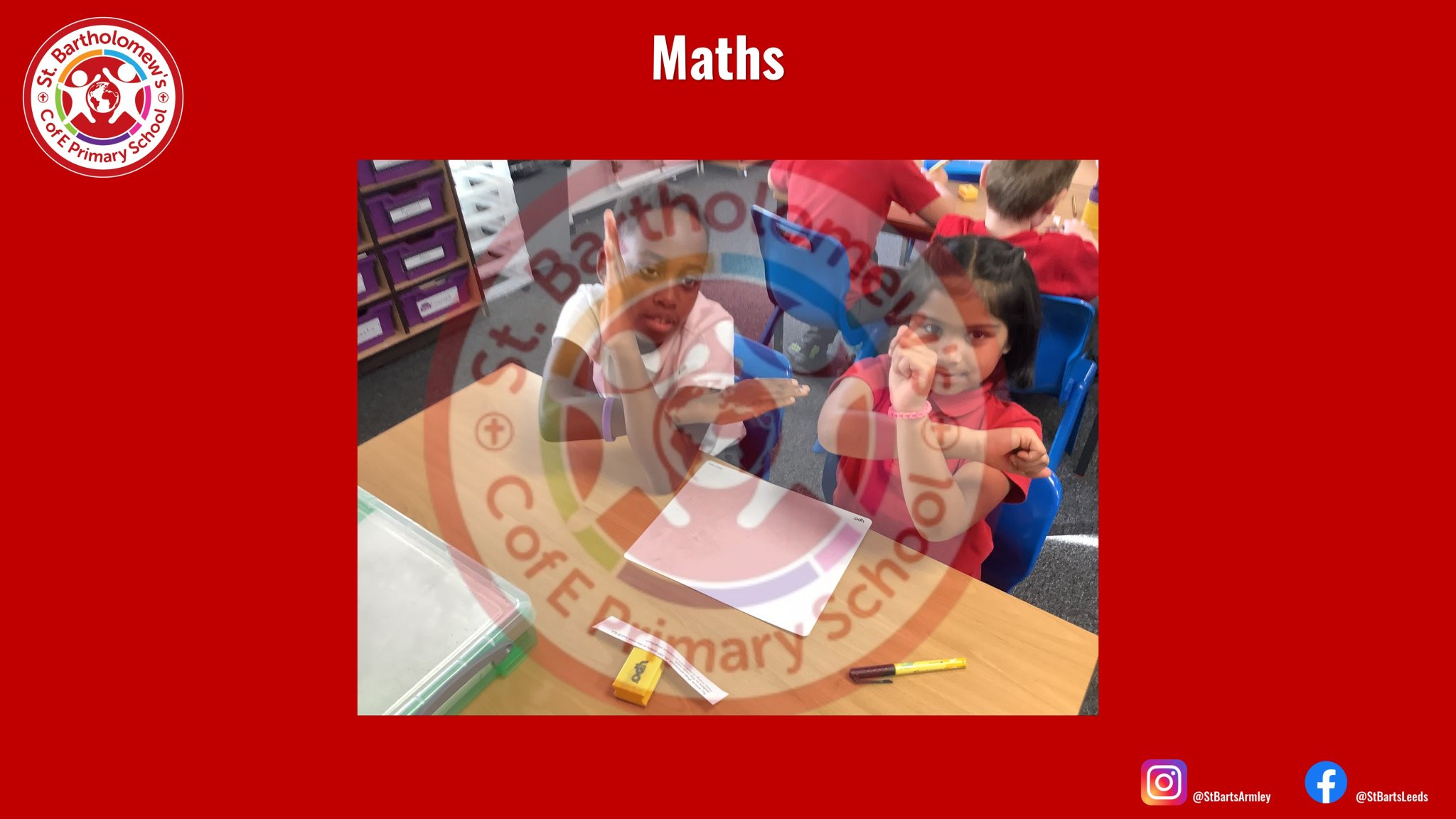
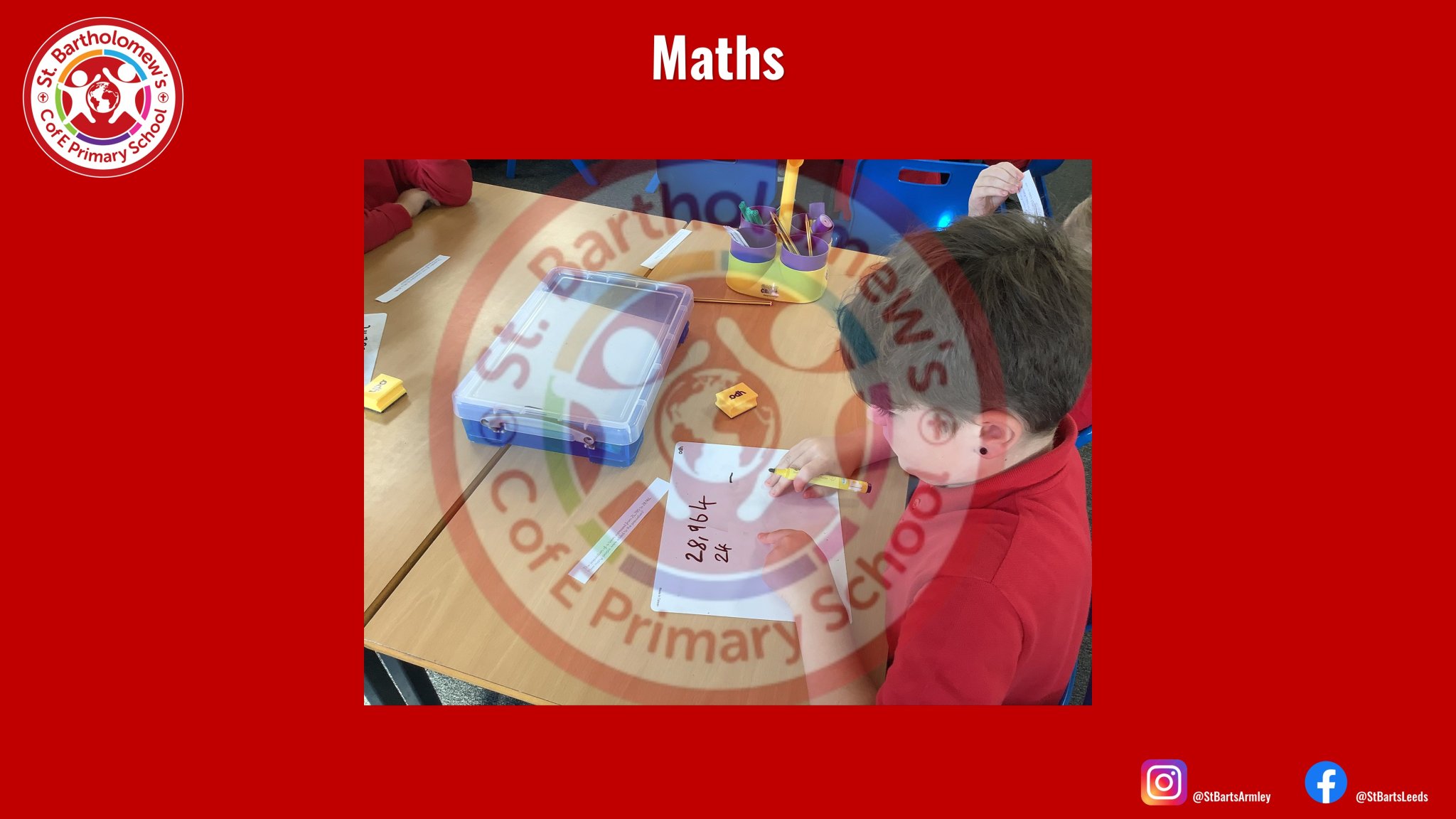
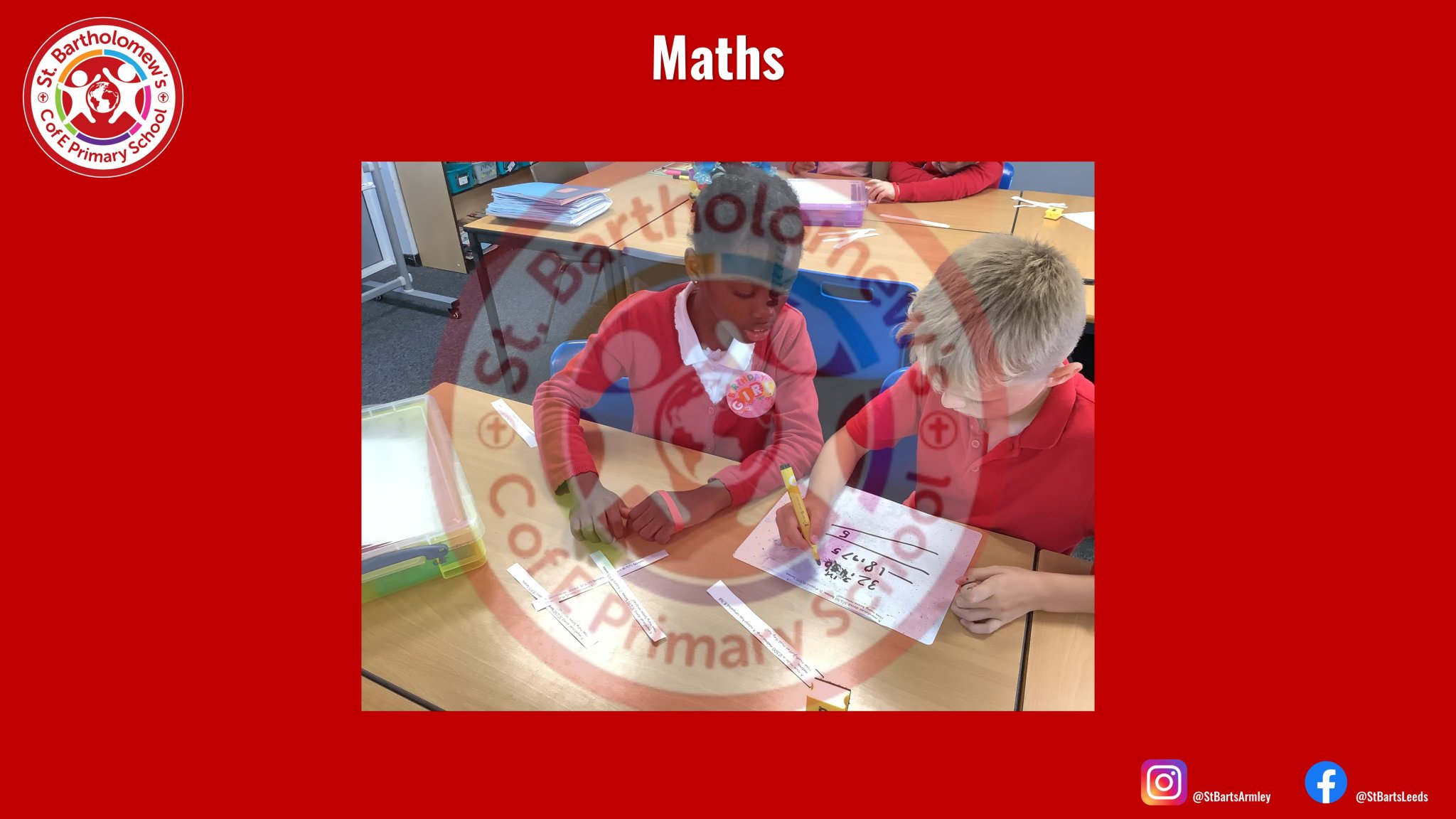
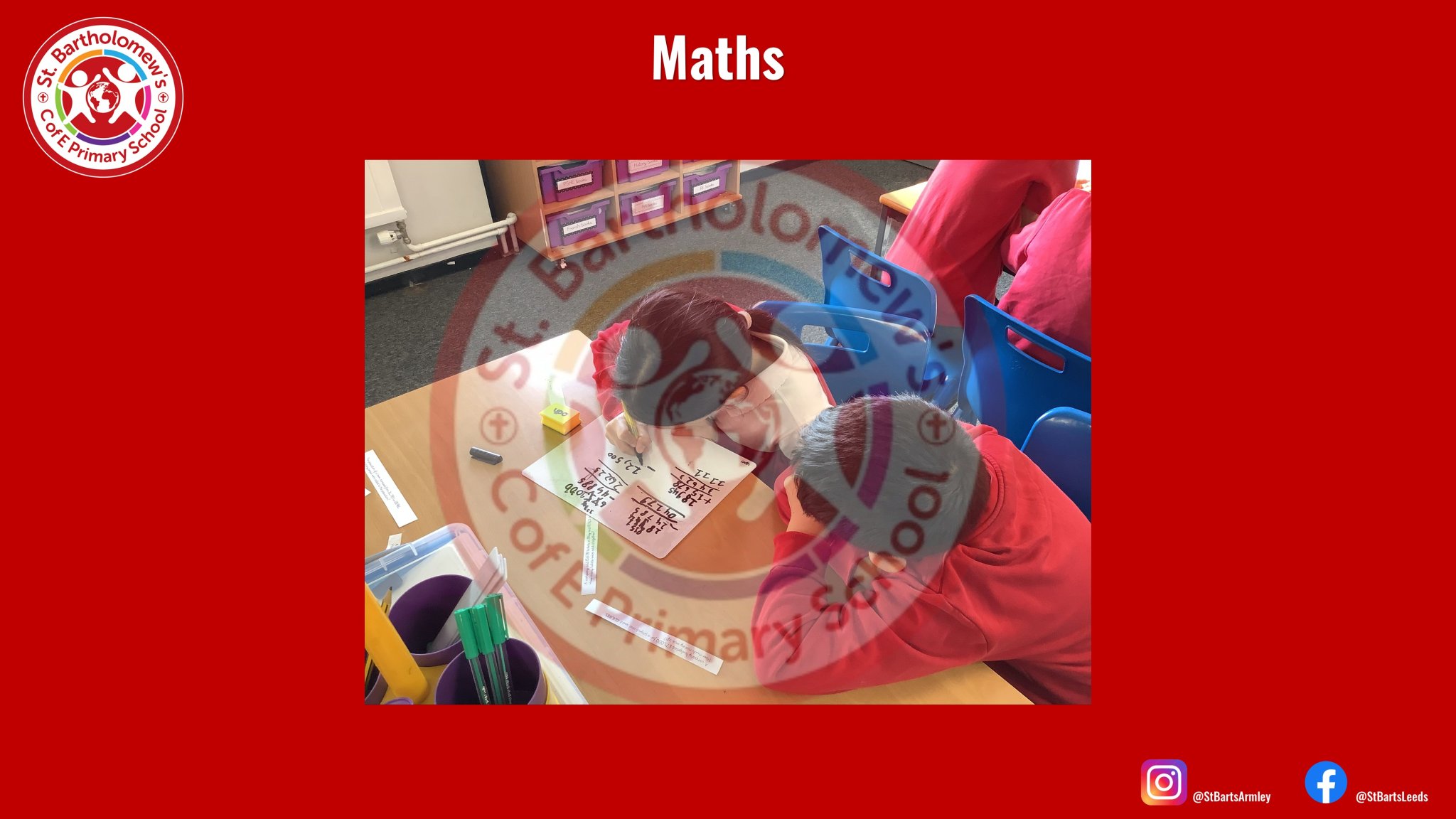
Class 9 did some Oracy in Maths this week. We focused on the listening strand, picking out key information to solve problems. We worked in pairs to solve one and two step addition and subtraction word problems.
We firstly came up with an action to identify whether we needed to add or subtract (or both), then used the column method to find the answer.
Curriculum - Maths - Part Whole Models, Ten Frames and Addition
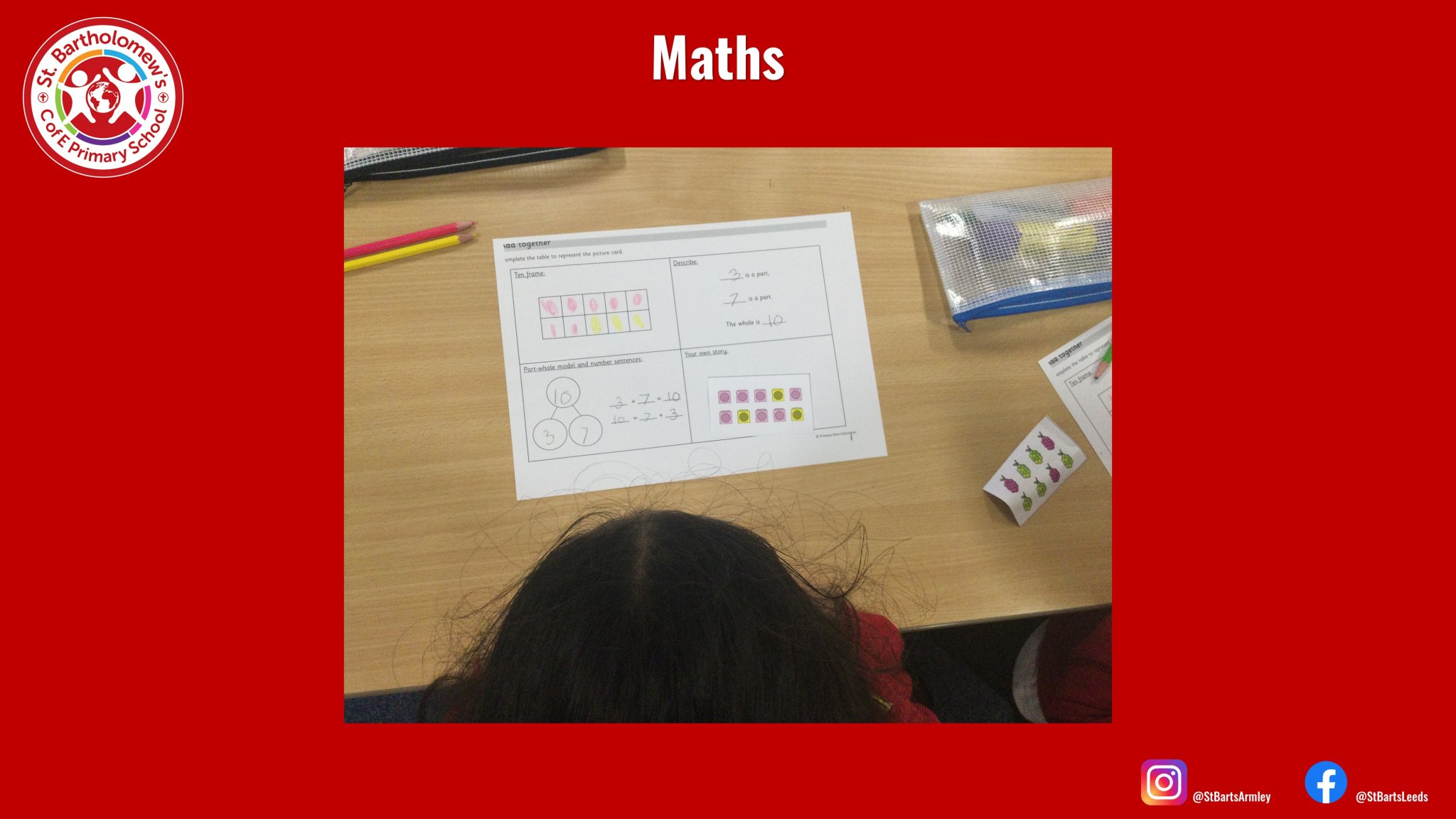
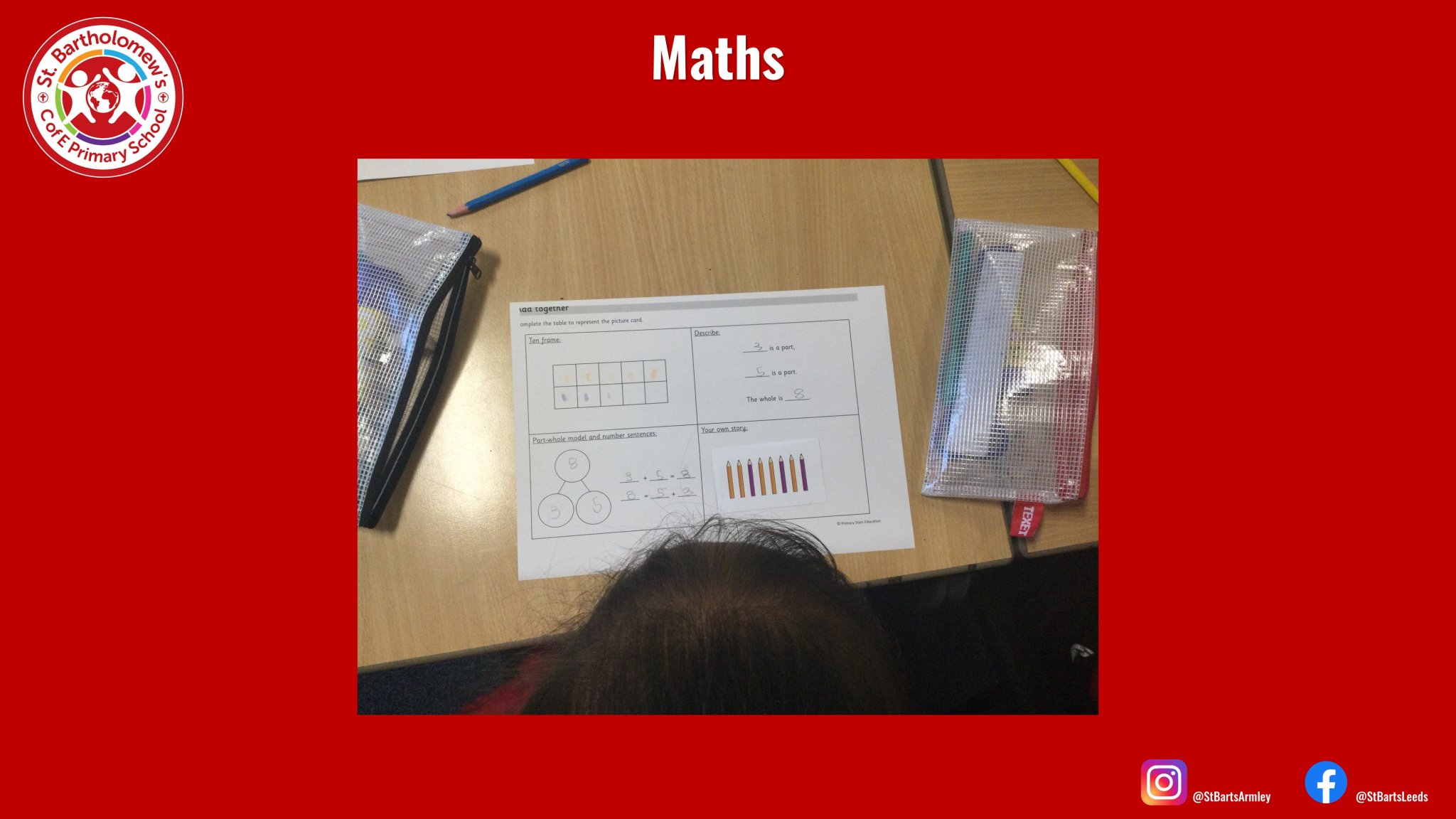
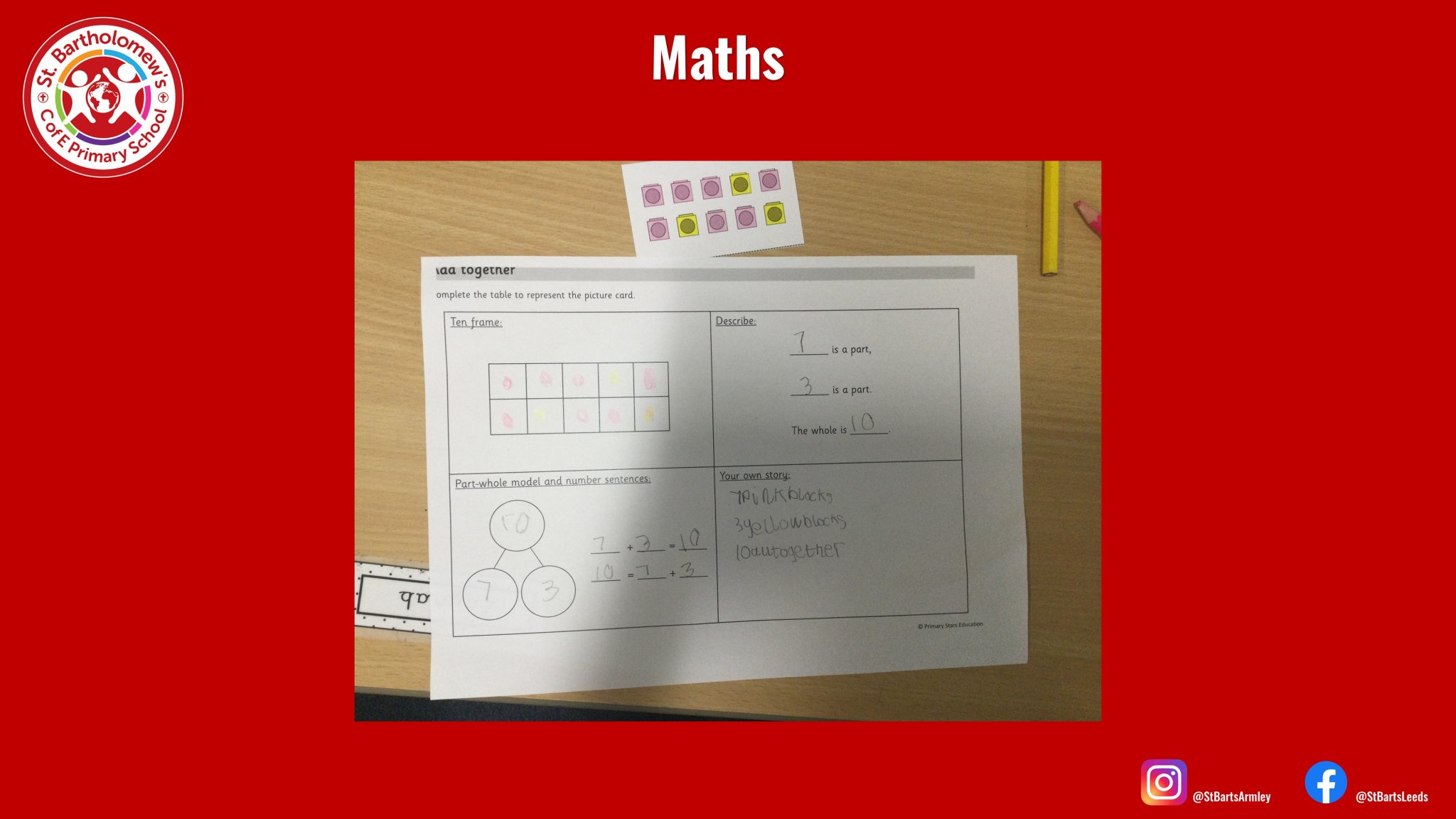
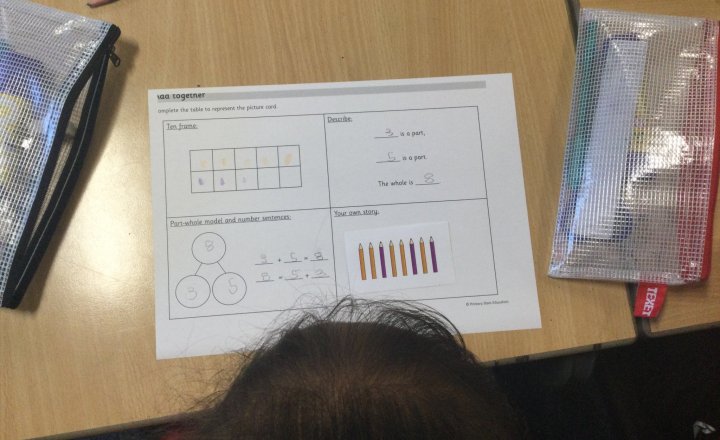
In Year 1 this week, we have been exploring part whole models, tens frames and addition.
Today we were linking tens frames, part whole models and addition sentences by representing a picture in those different ways.
Curriculum - Maths - Multiplication Tables
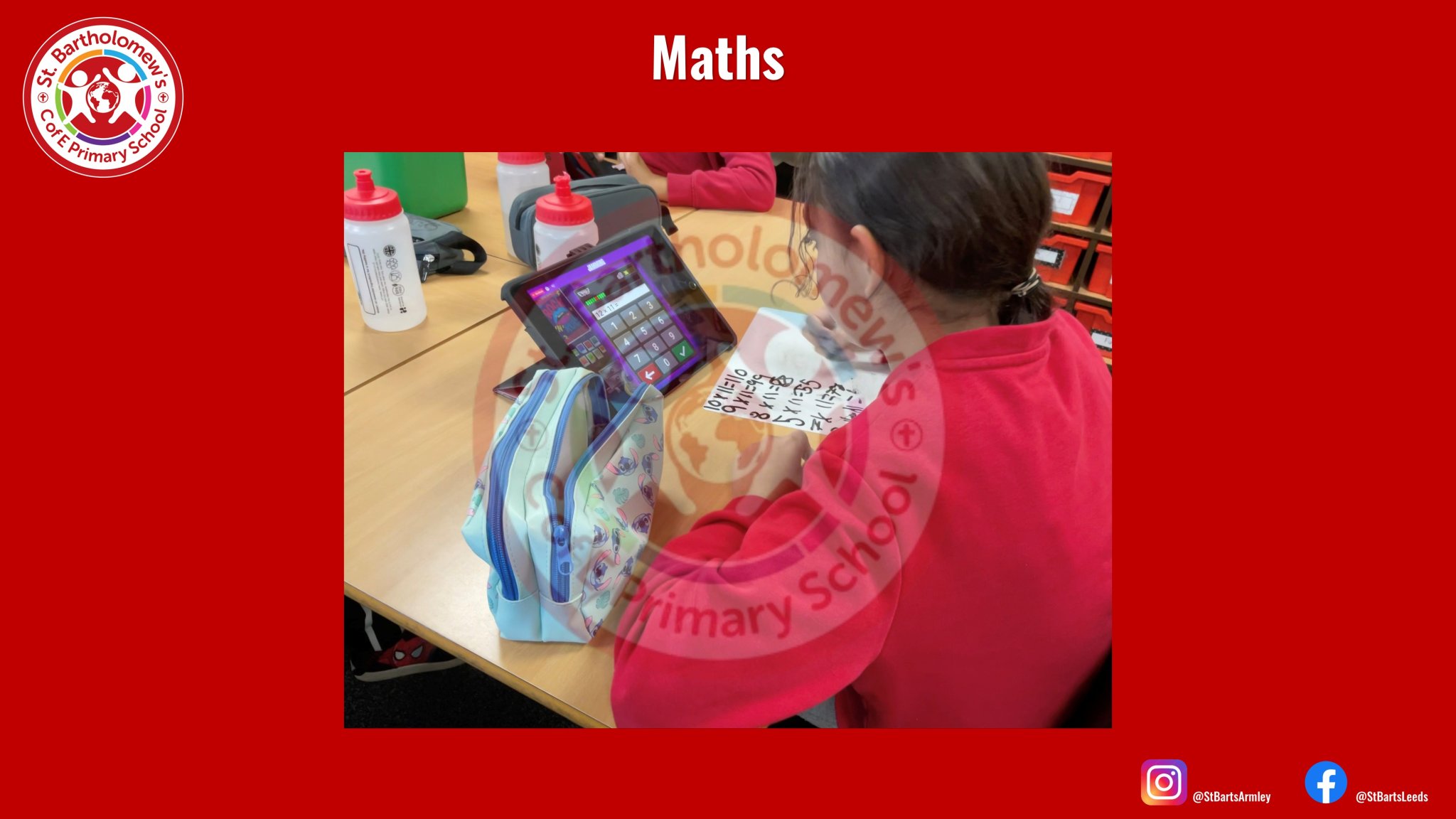
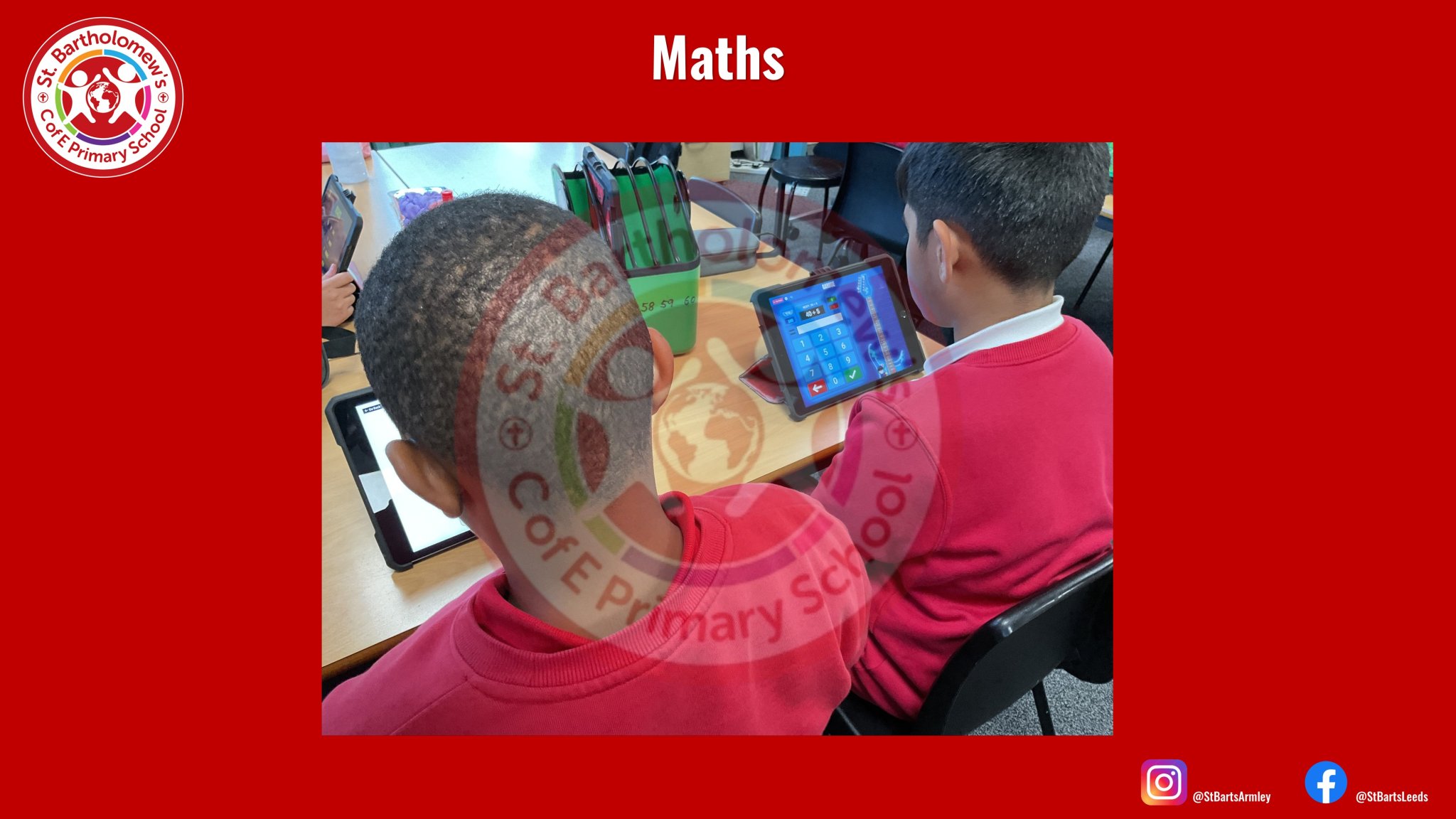
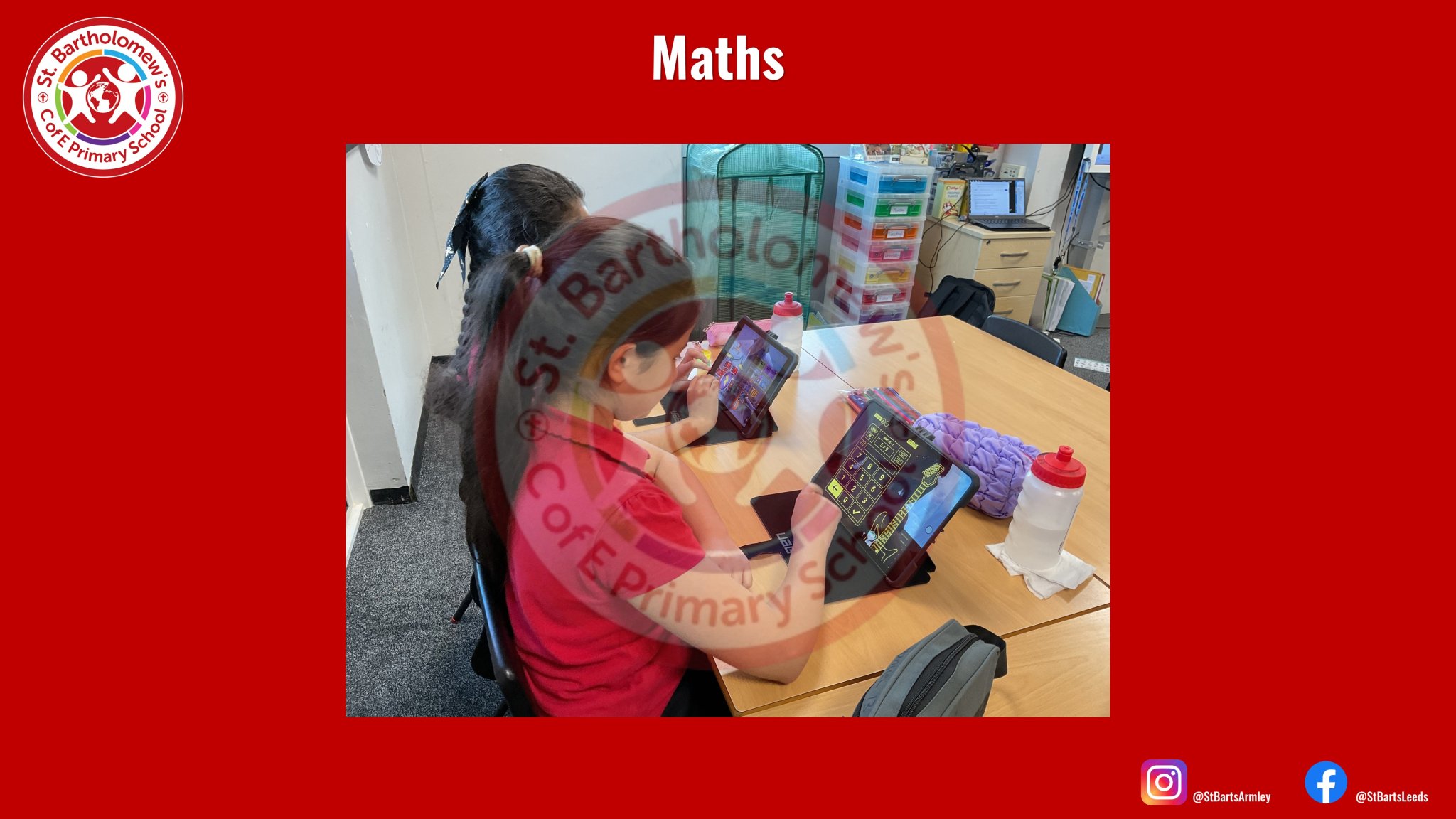
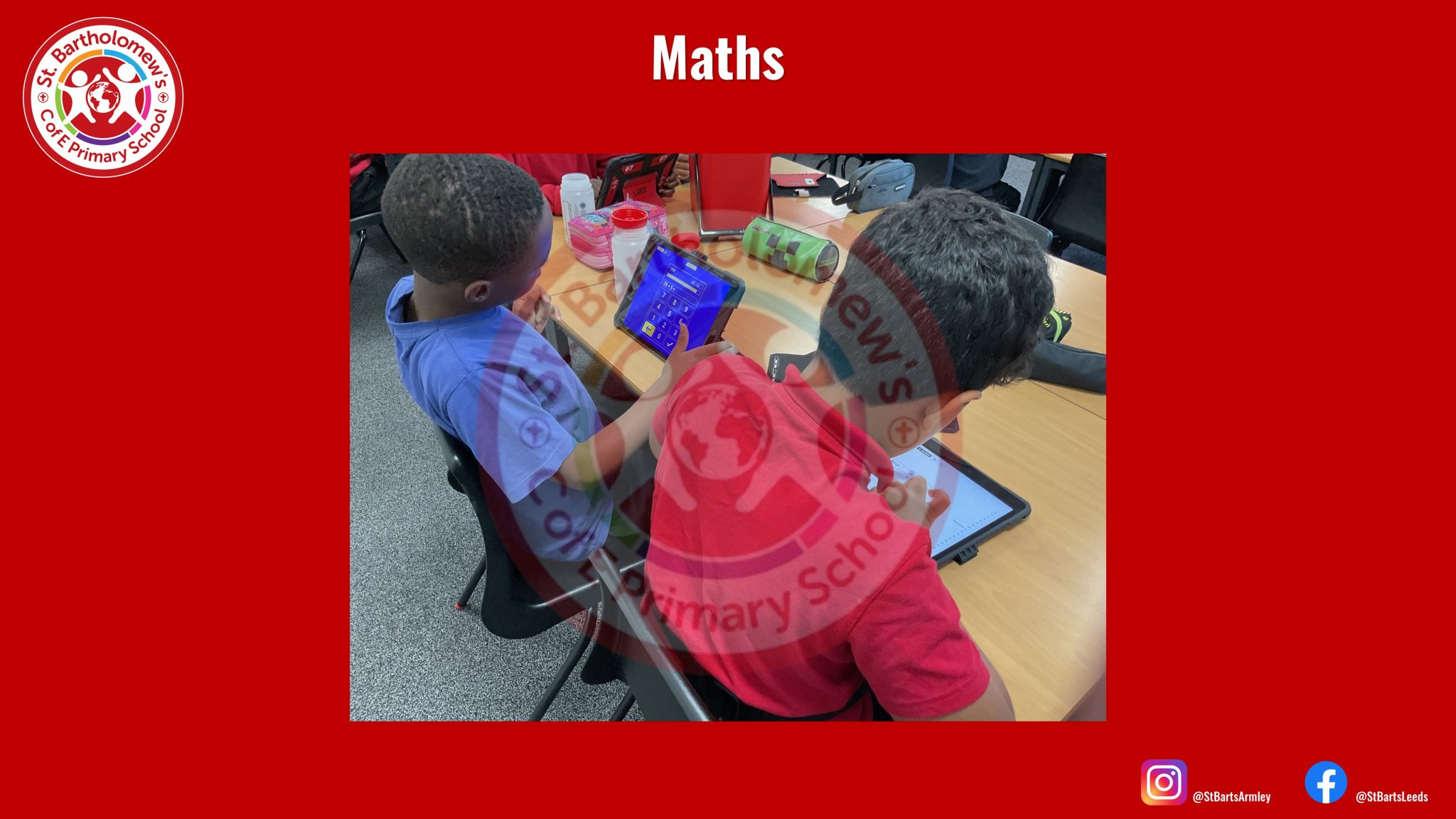
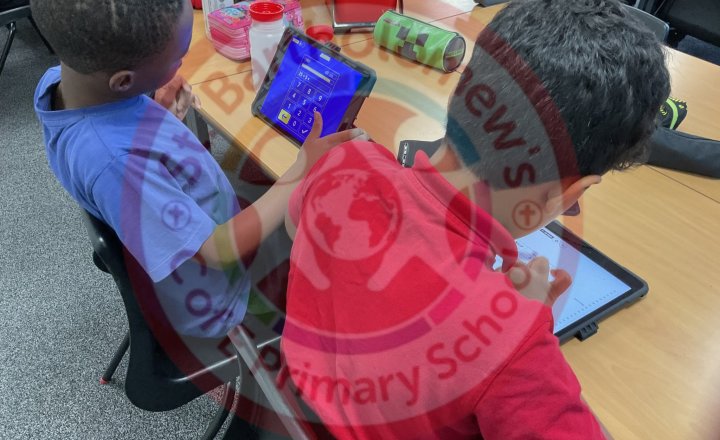
Class 13 used TT Rock Stars to improve their recall of multiplication tables.
The children selected the times tables they needed to practise, allowing them to focus on their individual targets.
All pupils engaged enthusiastically with the activity and enjoyed the opportunity to develop their fluency and recall skills.
Curriculum - Maths - Creating 2D Shapes
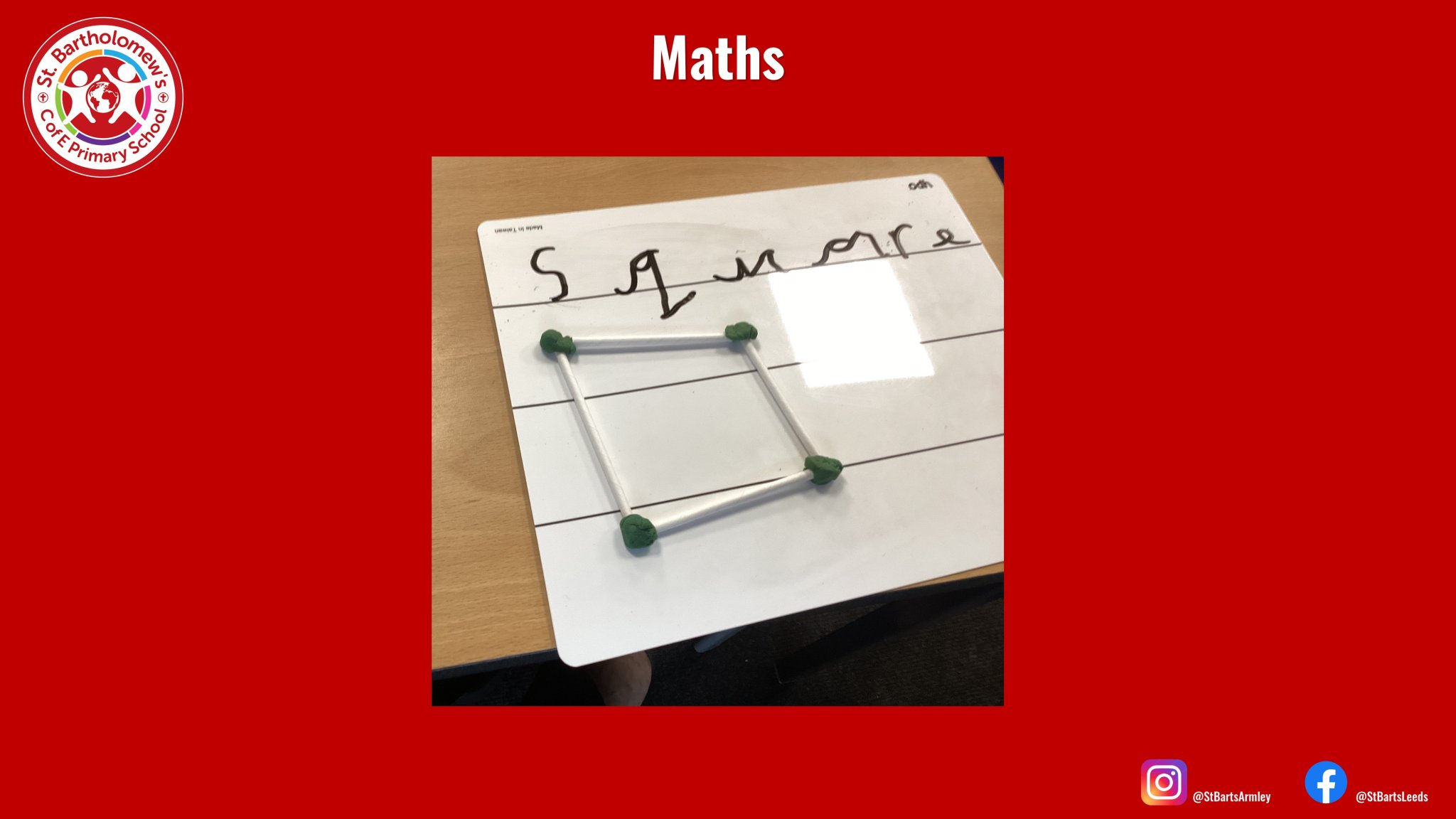
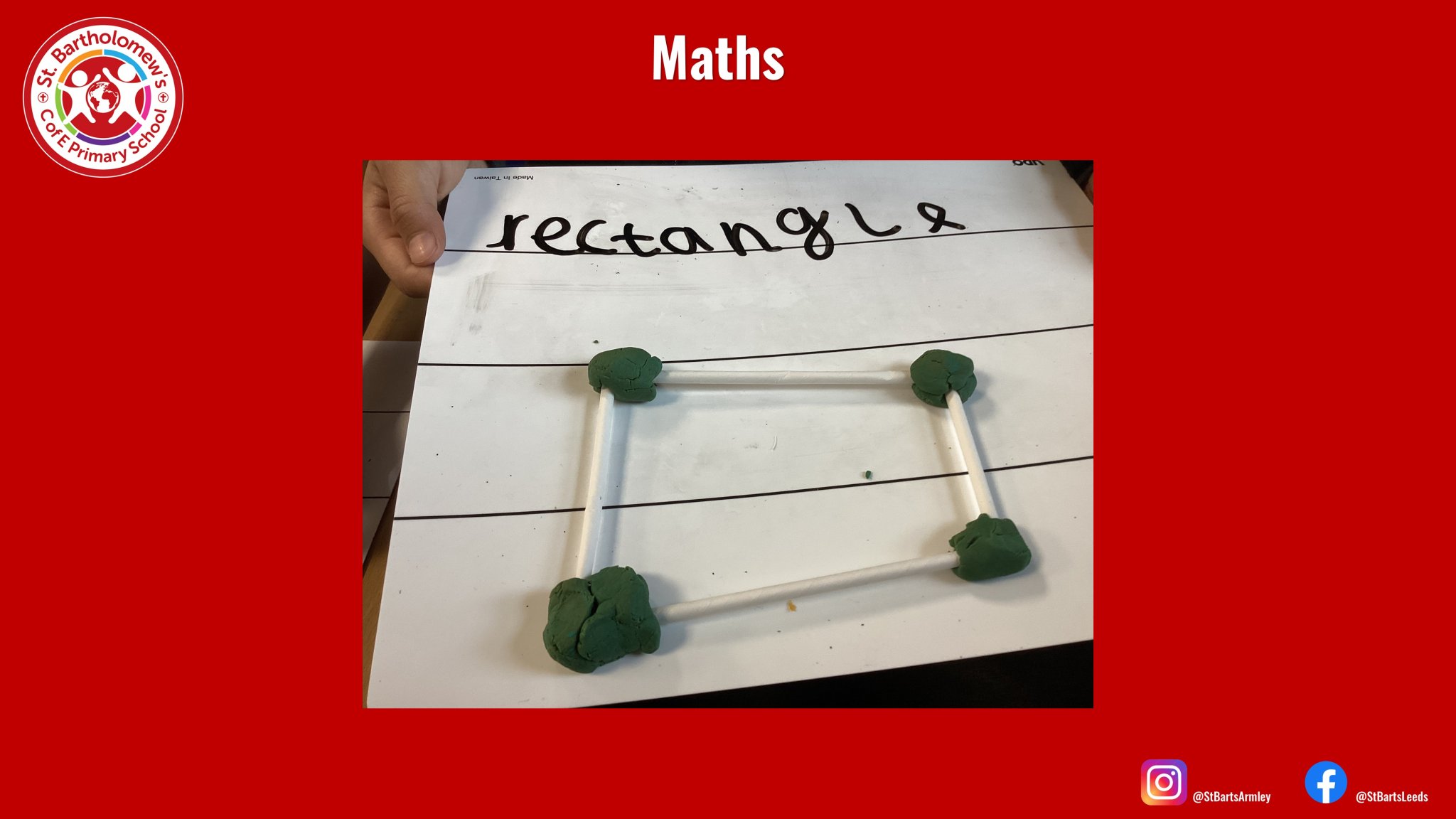
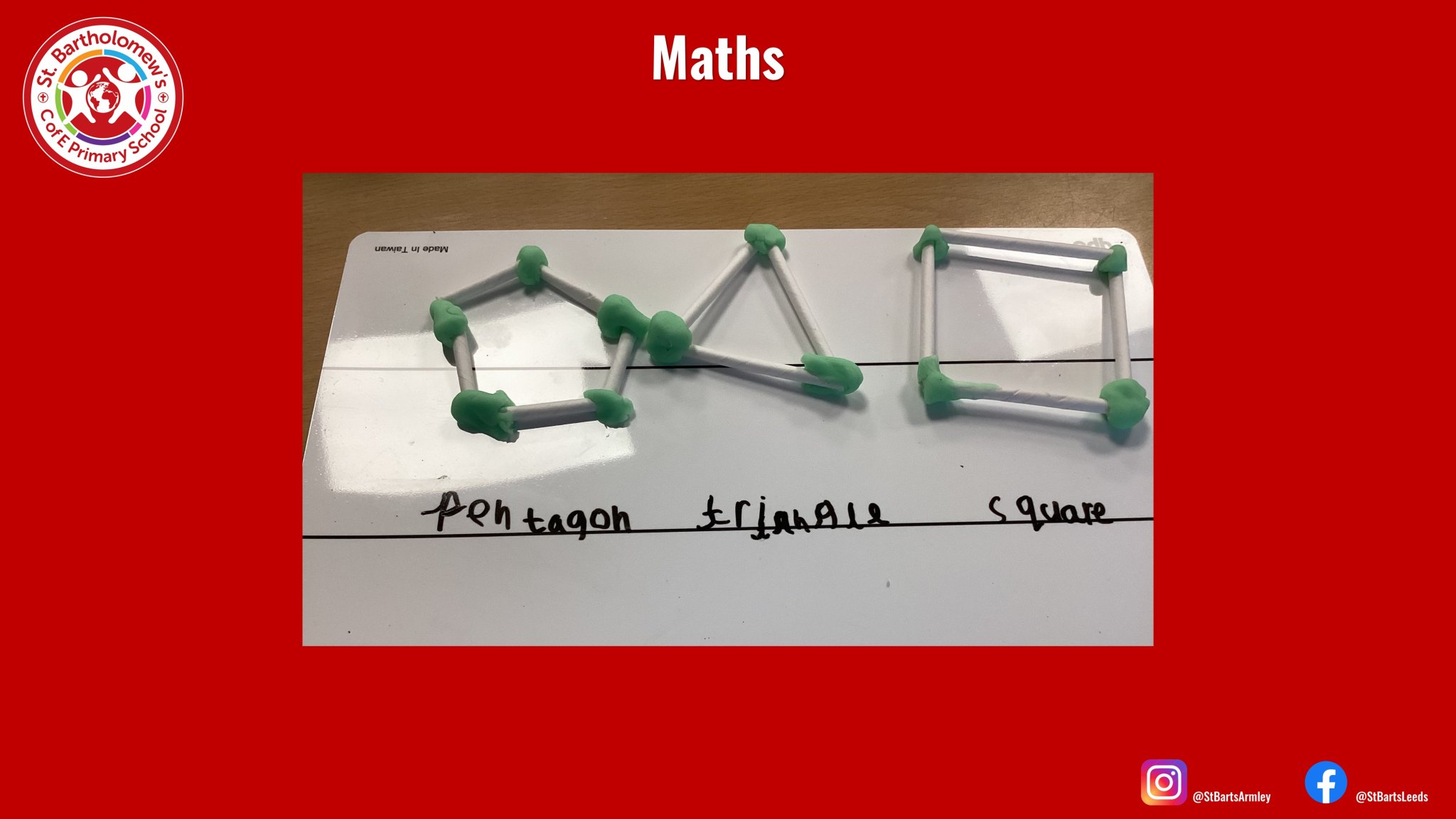
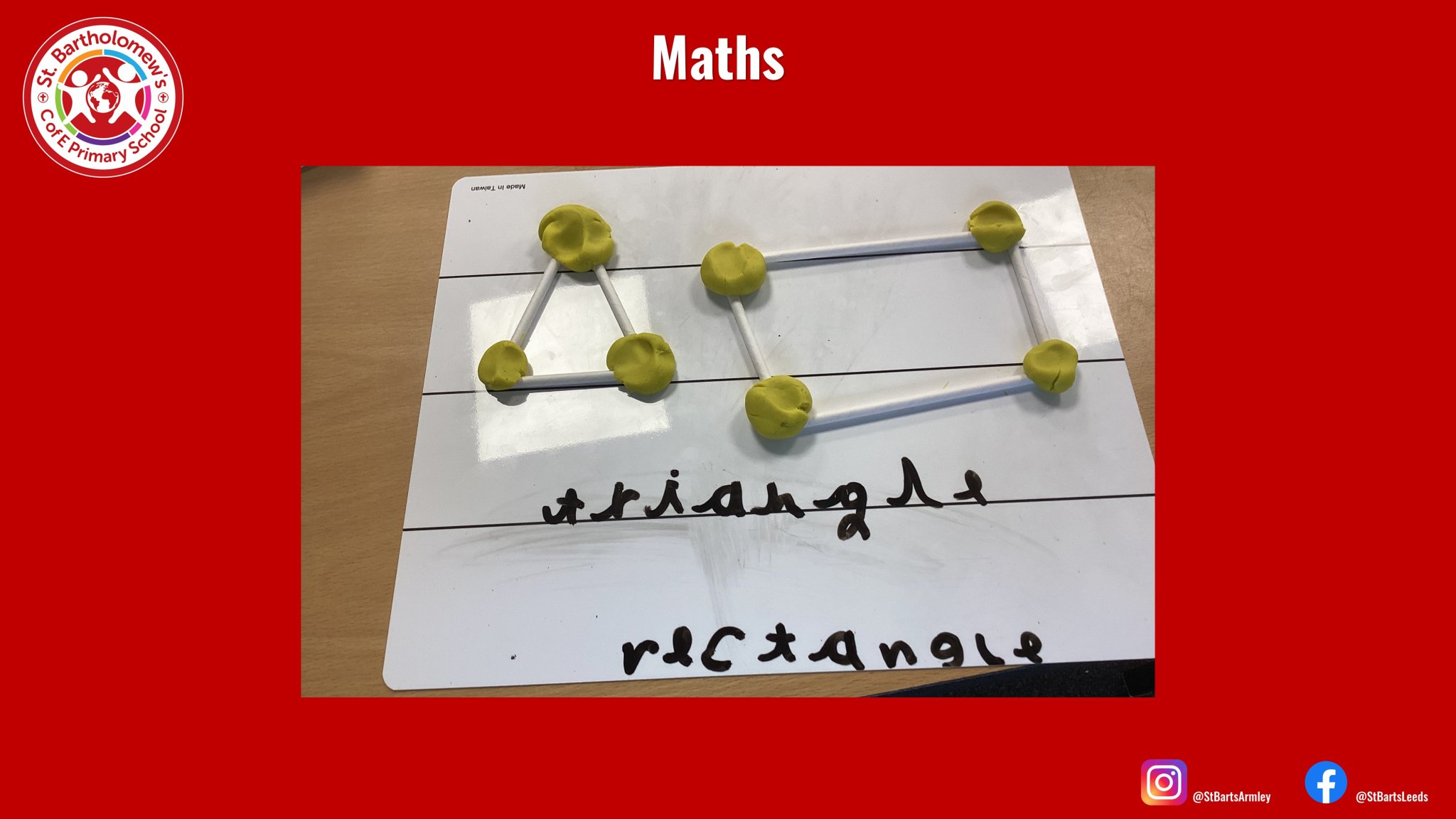
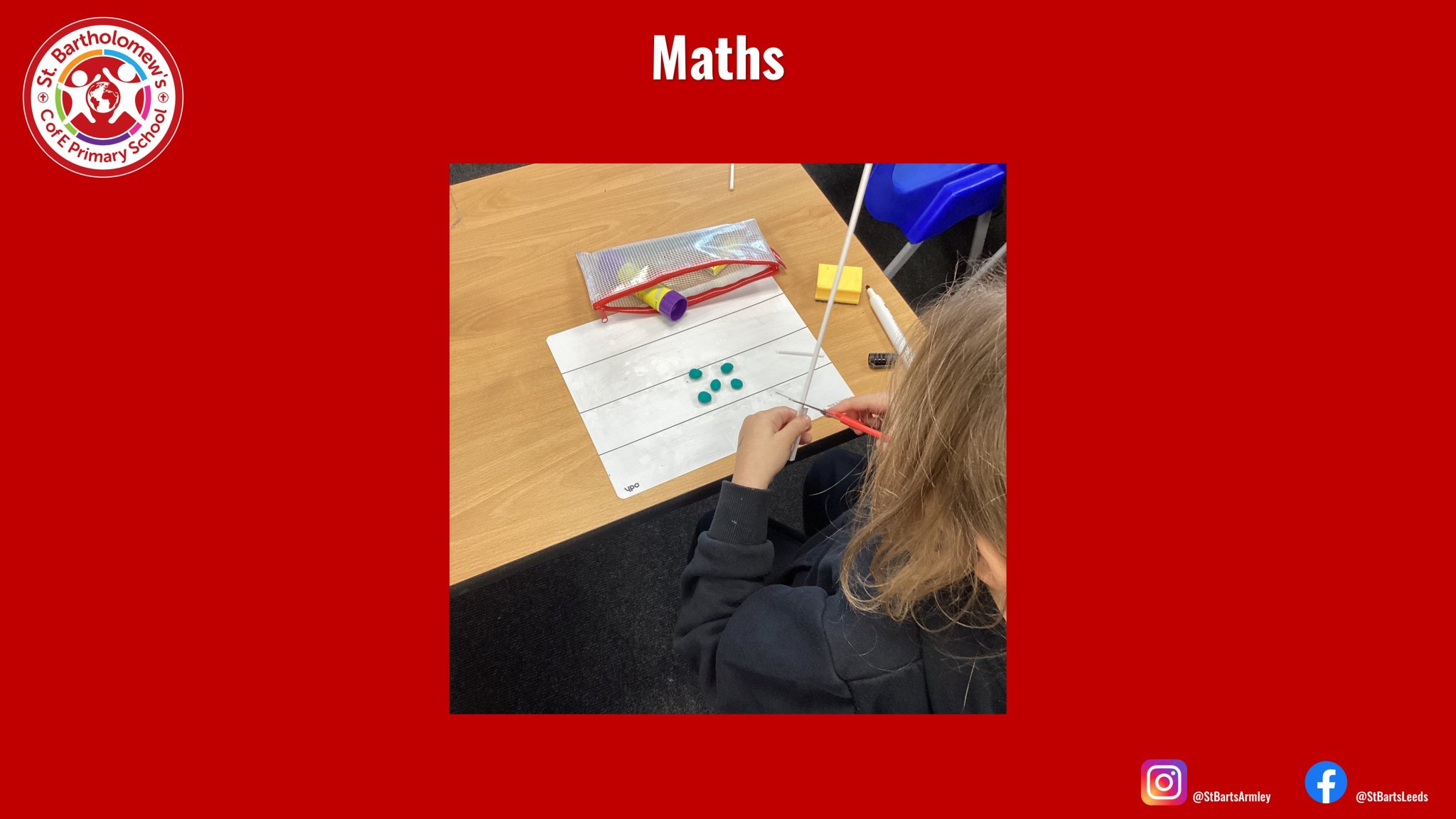
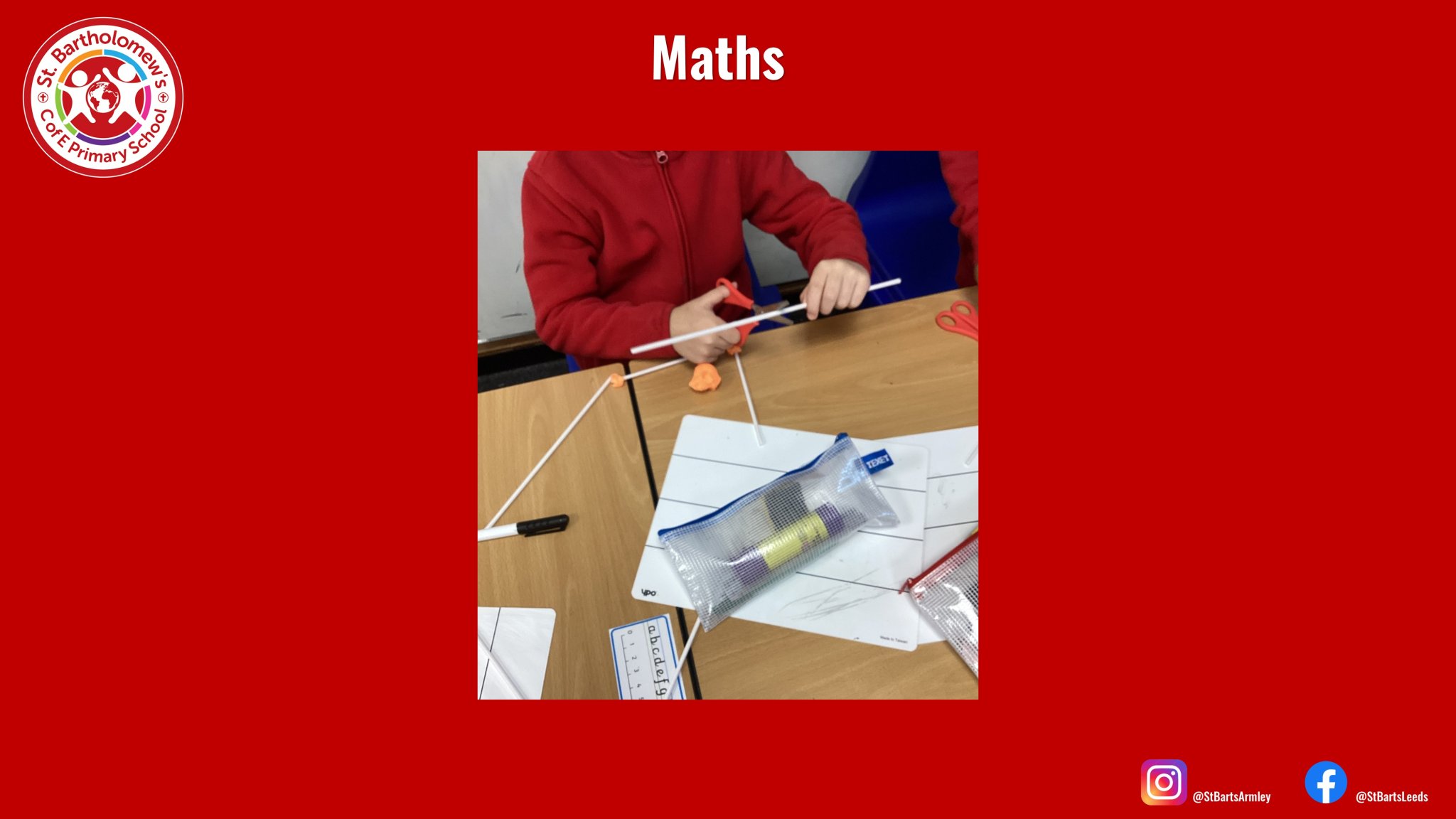
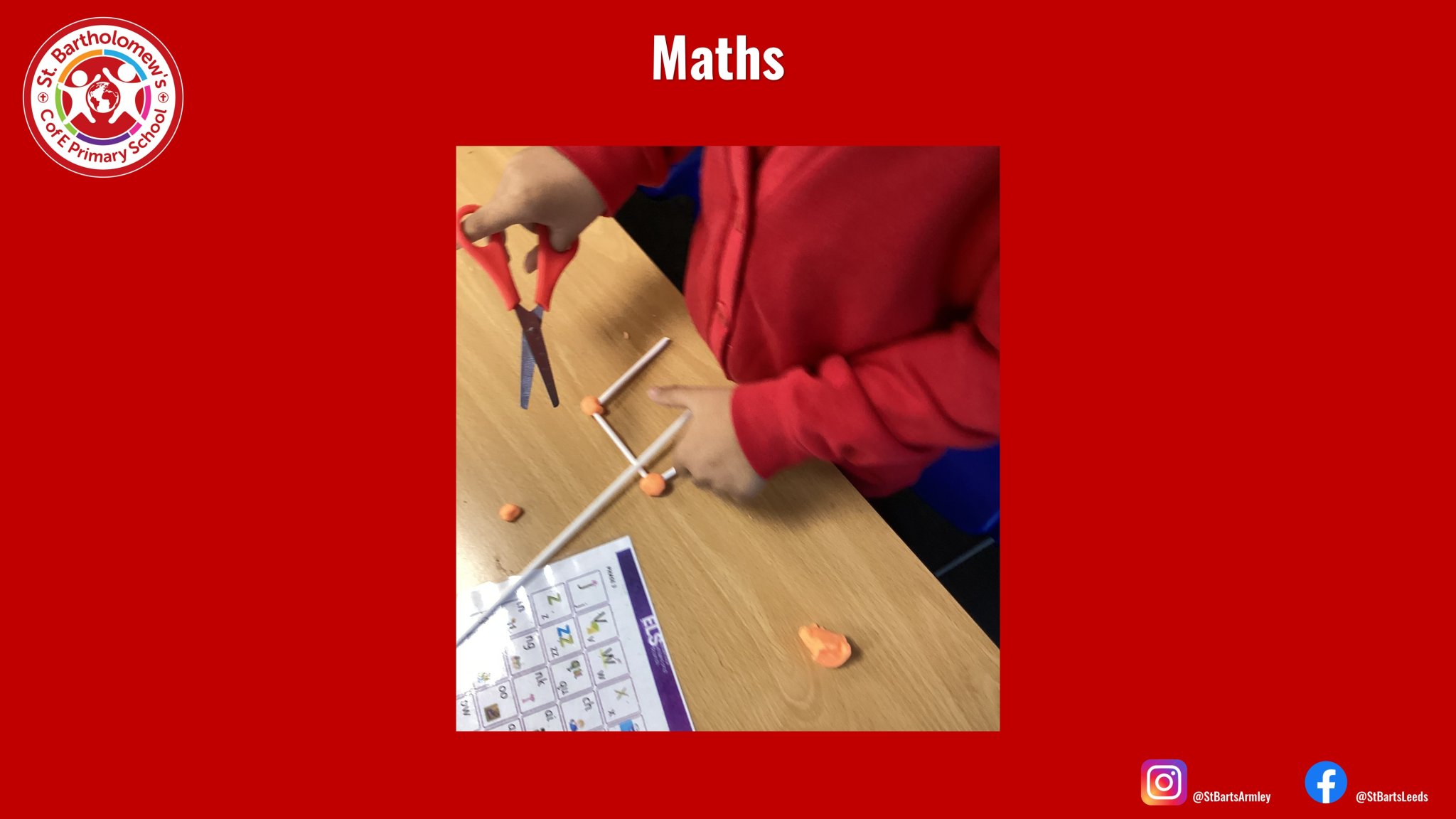
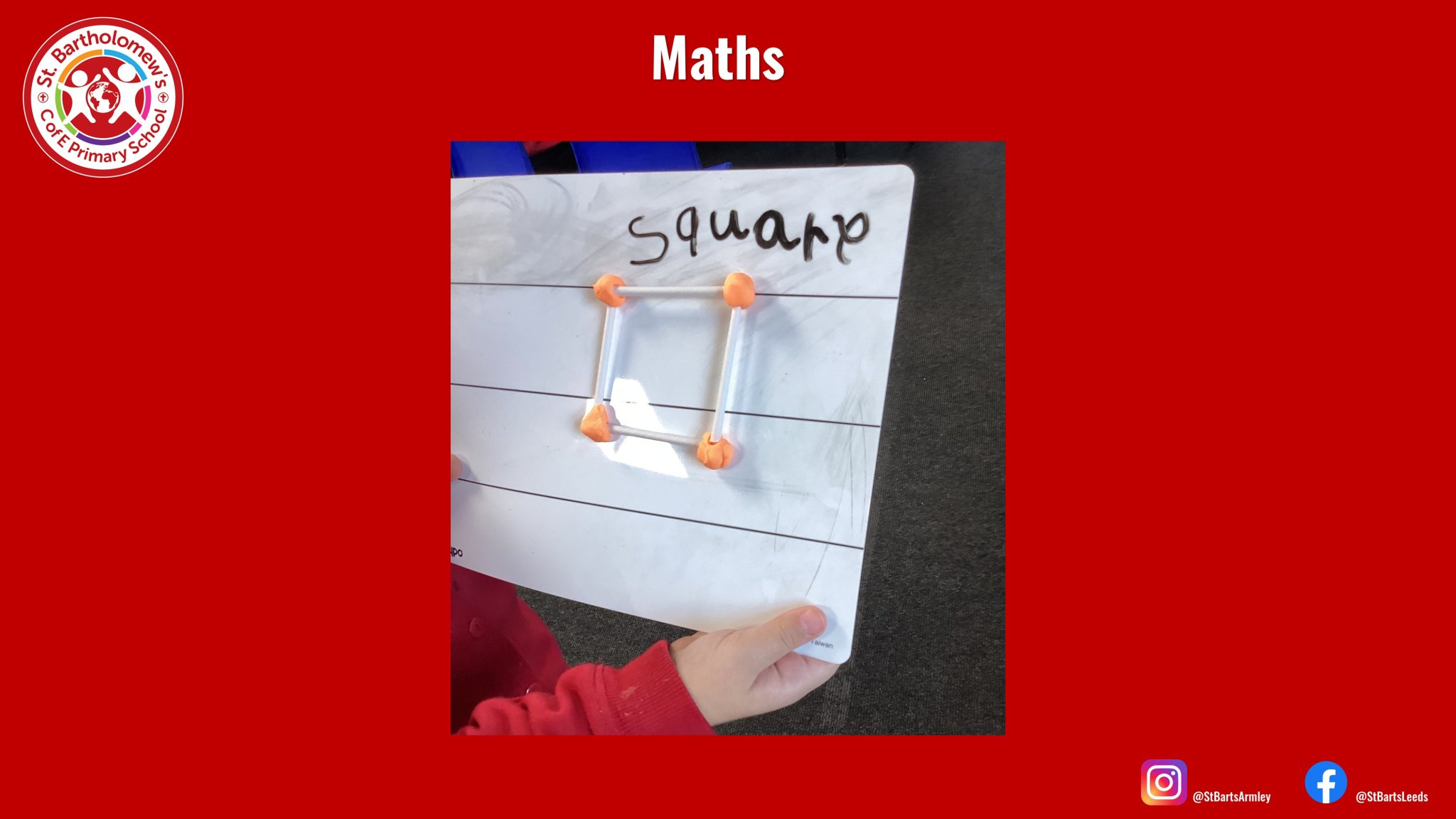
Class 5 have been looking at 2D shapes in Maths. We used art straws and play dough to create our own 2D shapes.
Curriculum - Maths - Part Whole Models
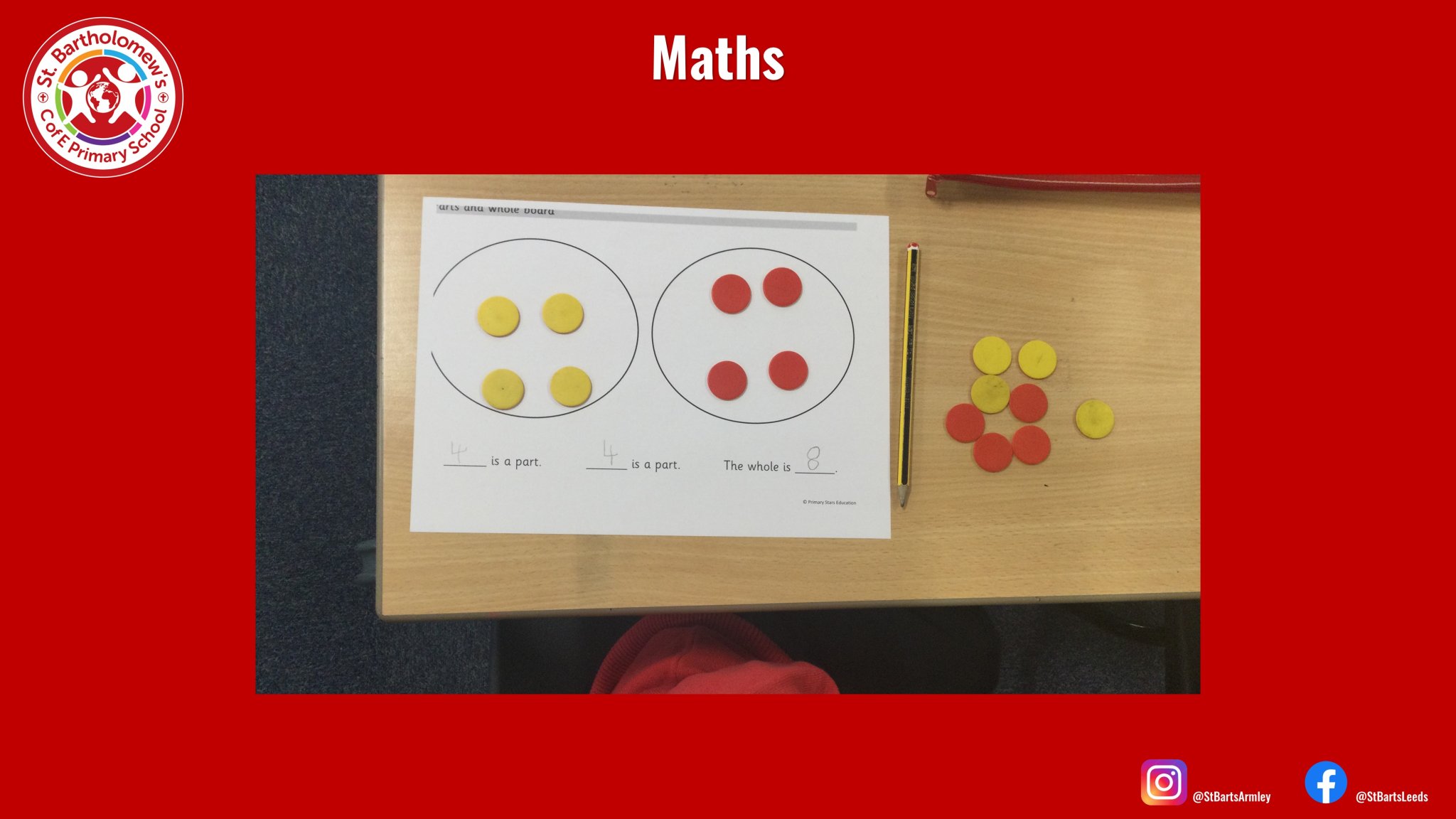
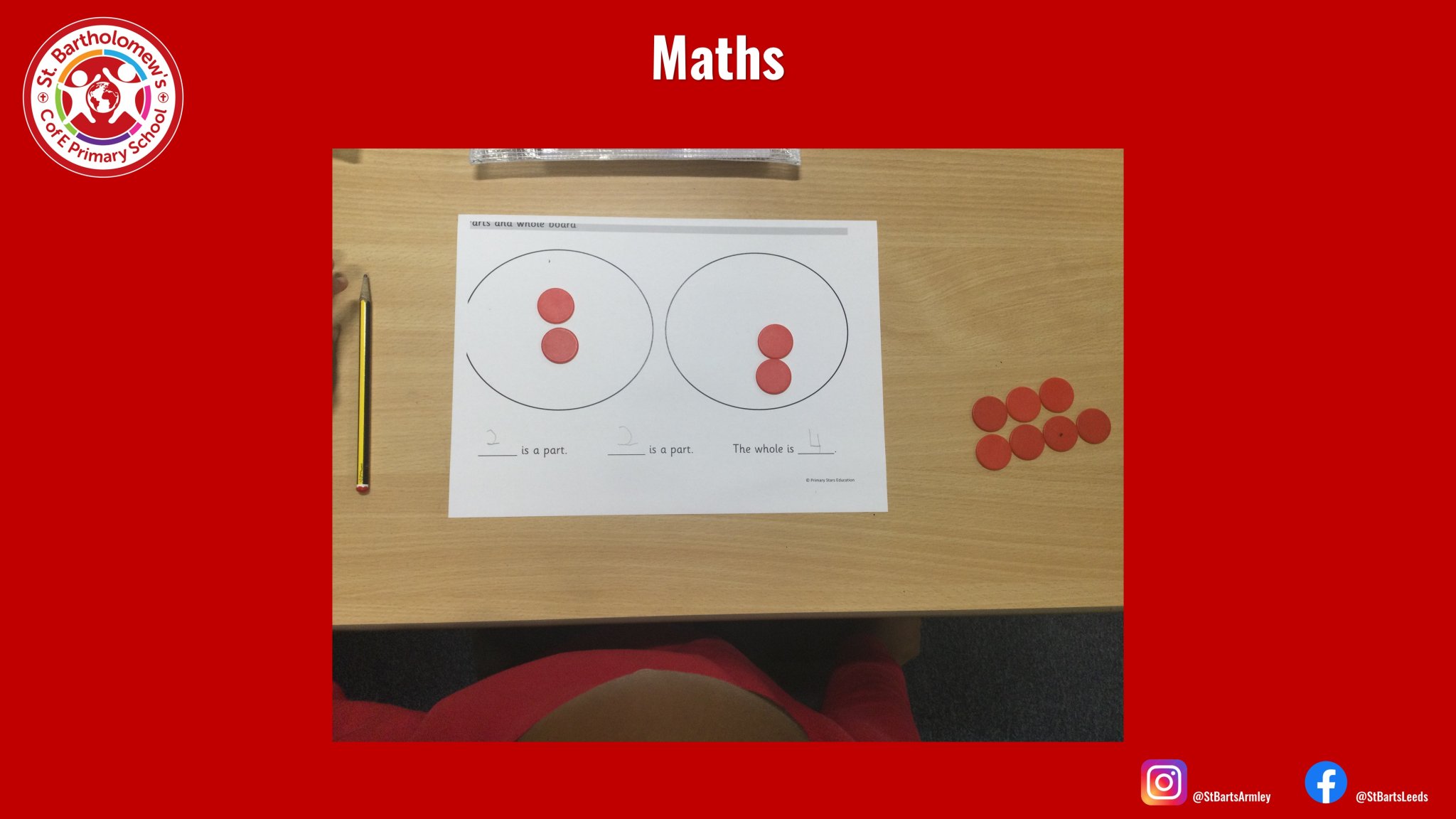
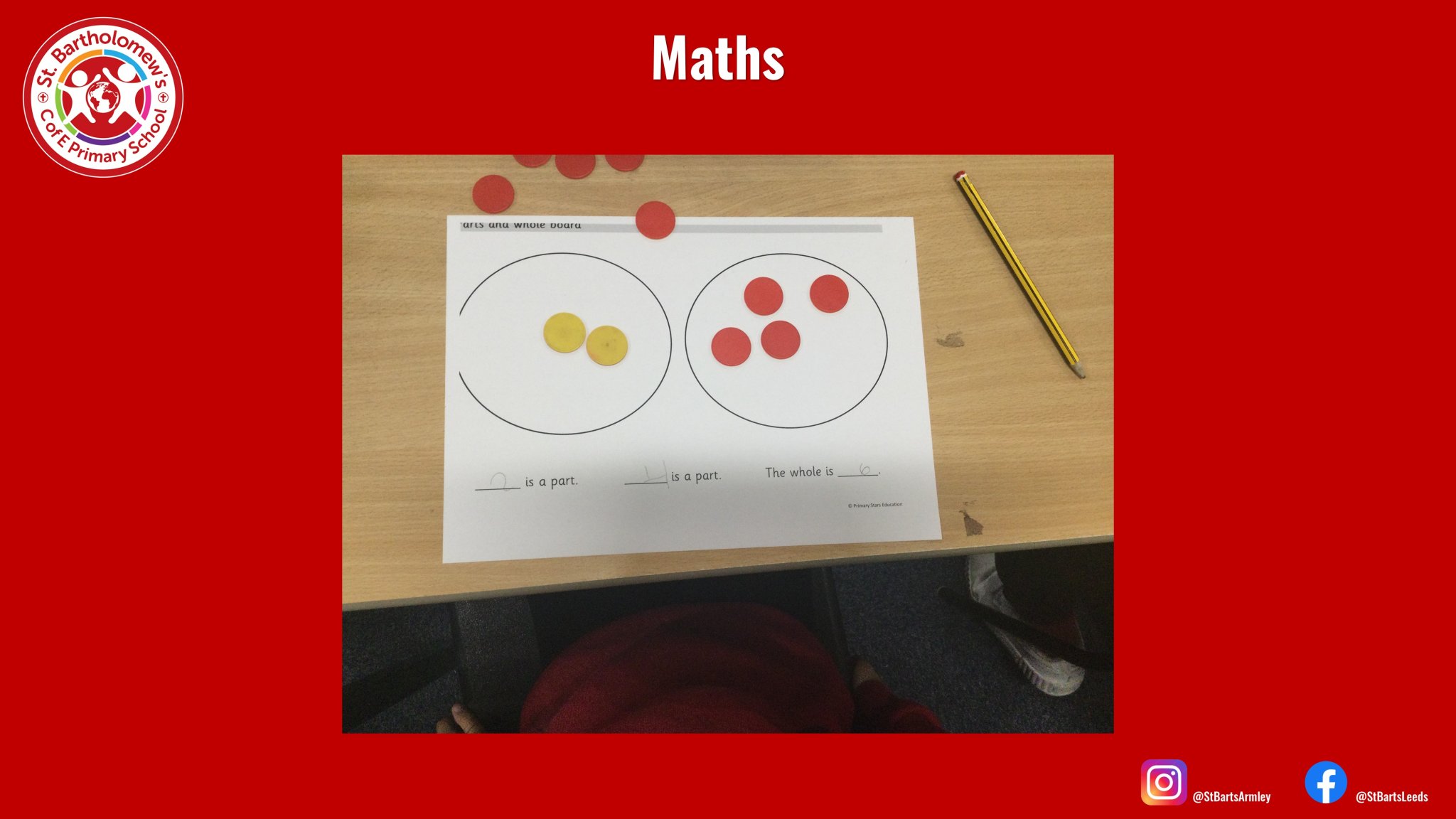
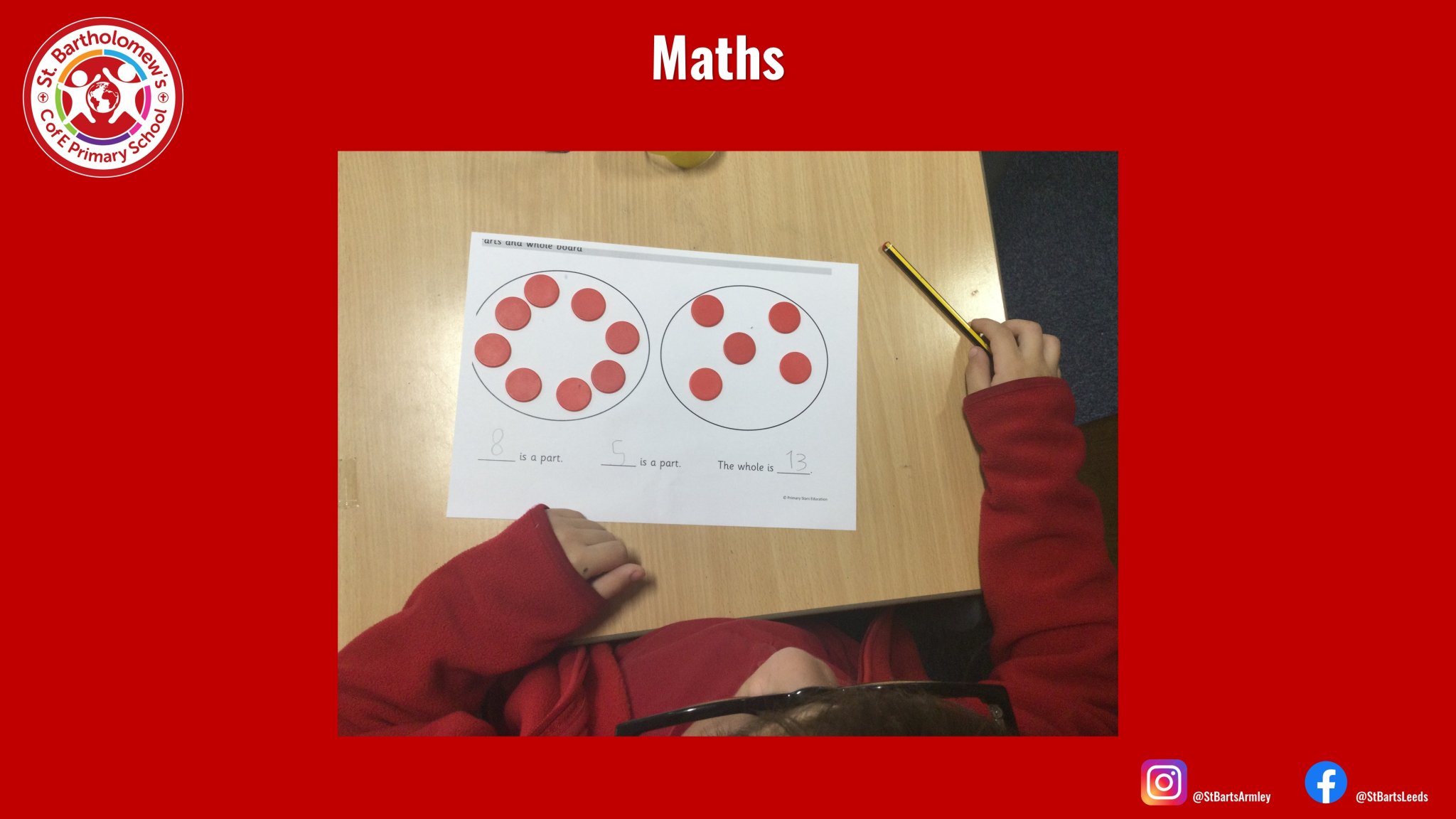
In class 4 this week, we have been focusing on part whole models and the introduction into addition.
The children have practiced creating their two parts and adding them together to find out the whole.
Curriculum - Maths - Number Lines and Ordering
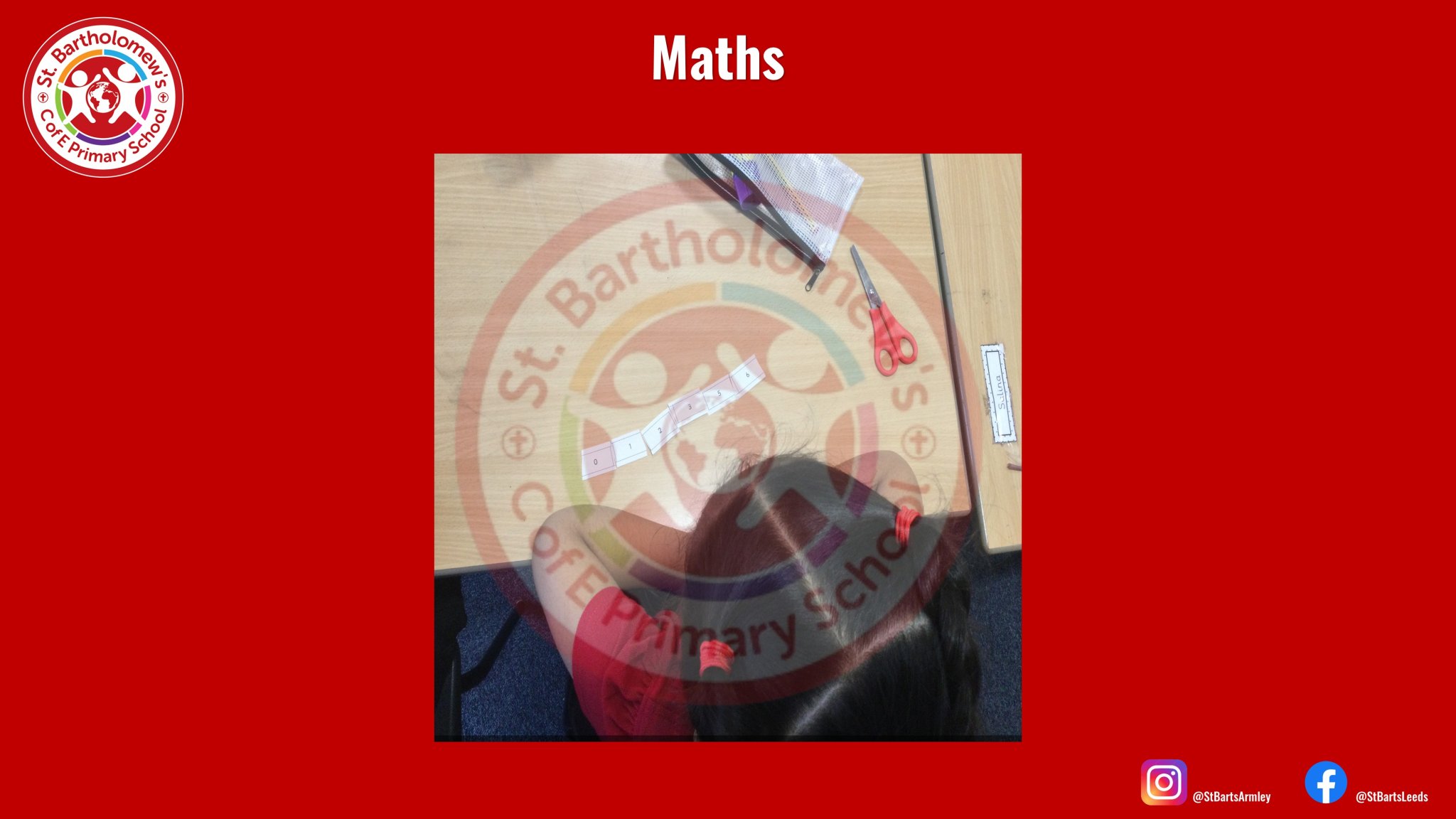
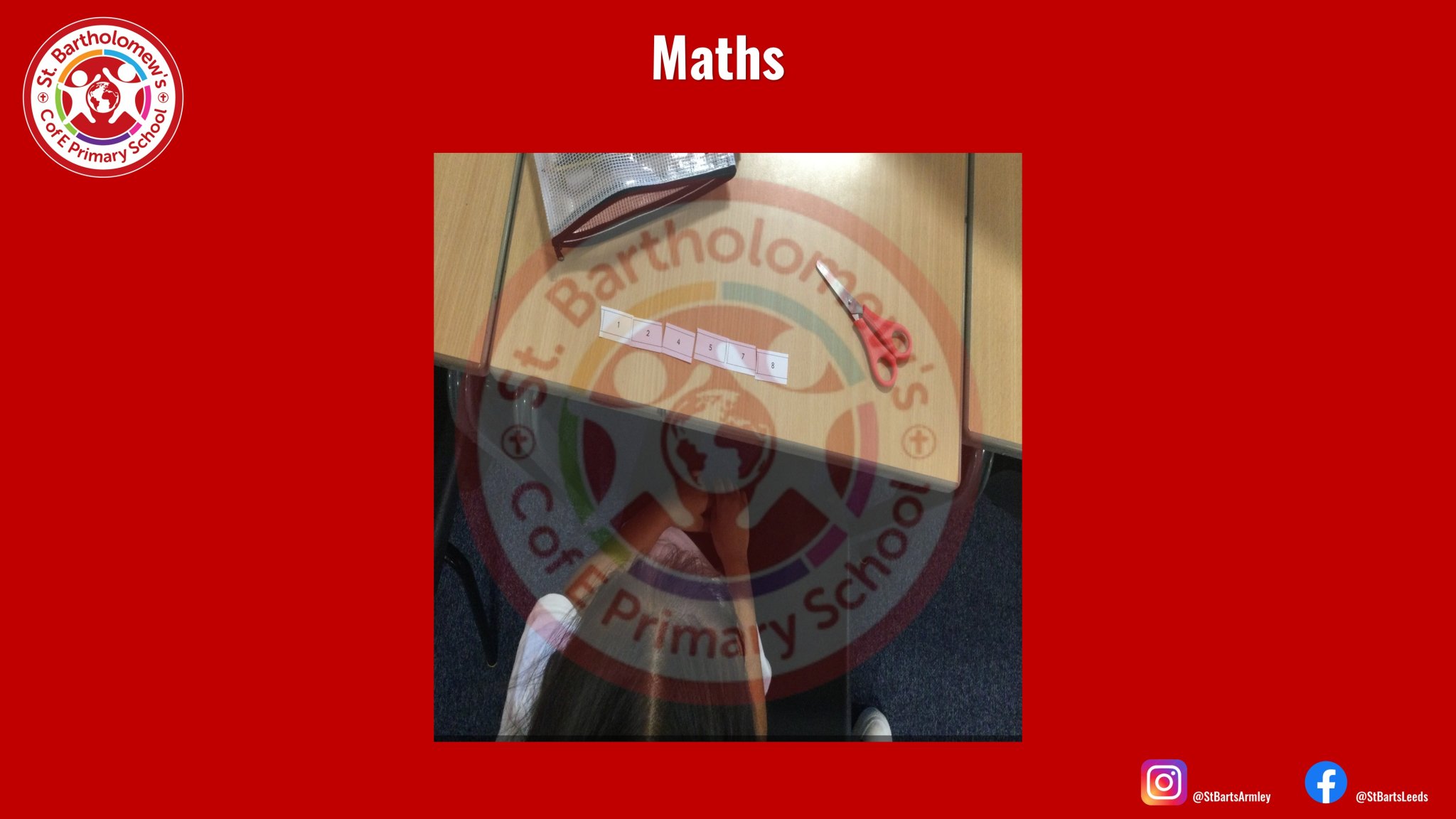
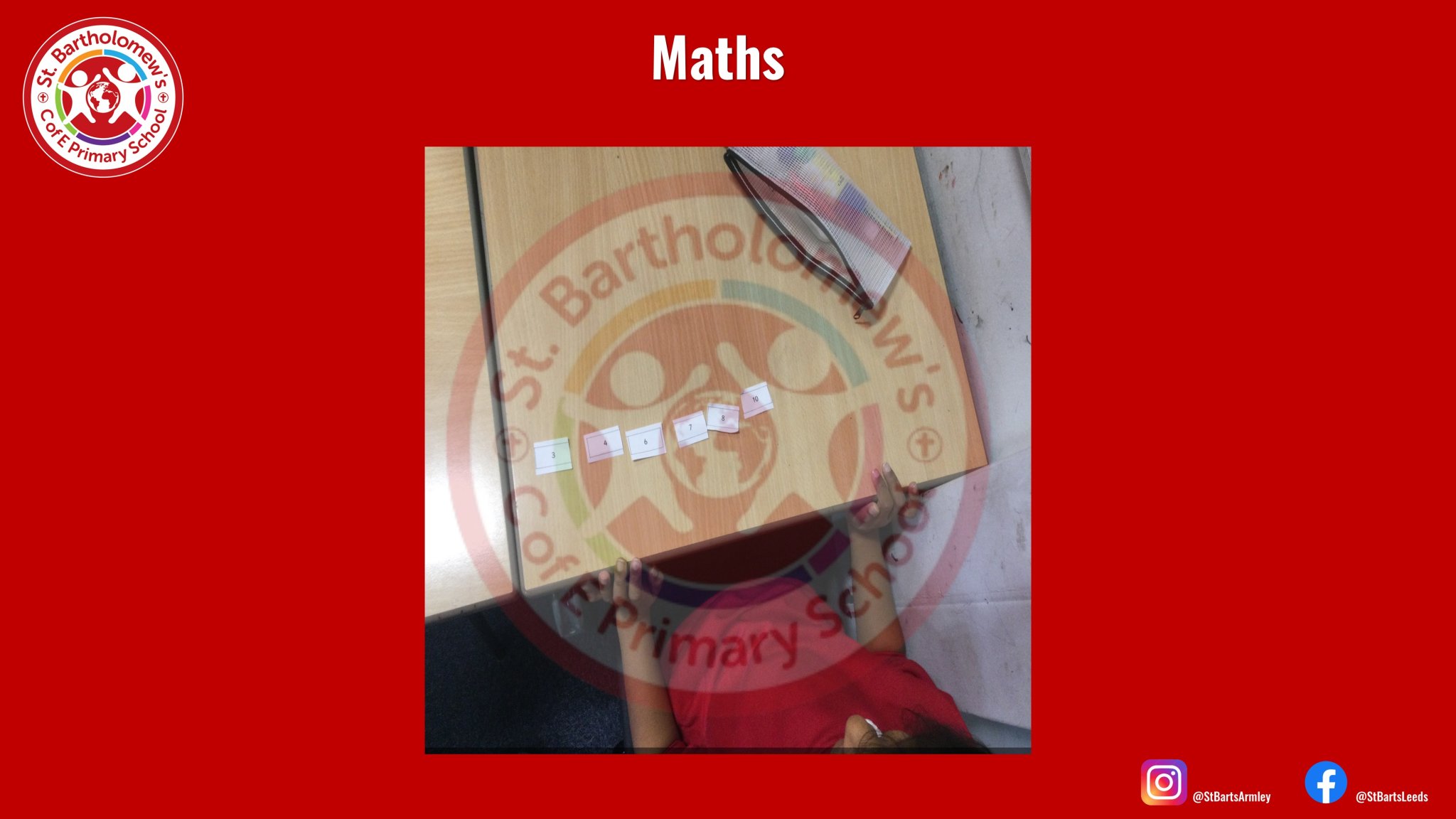
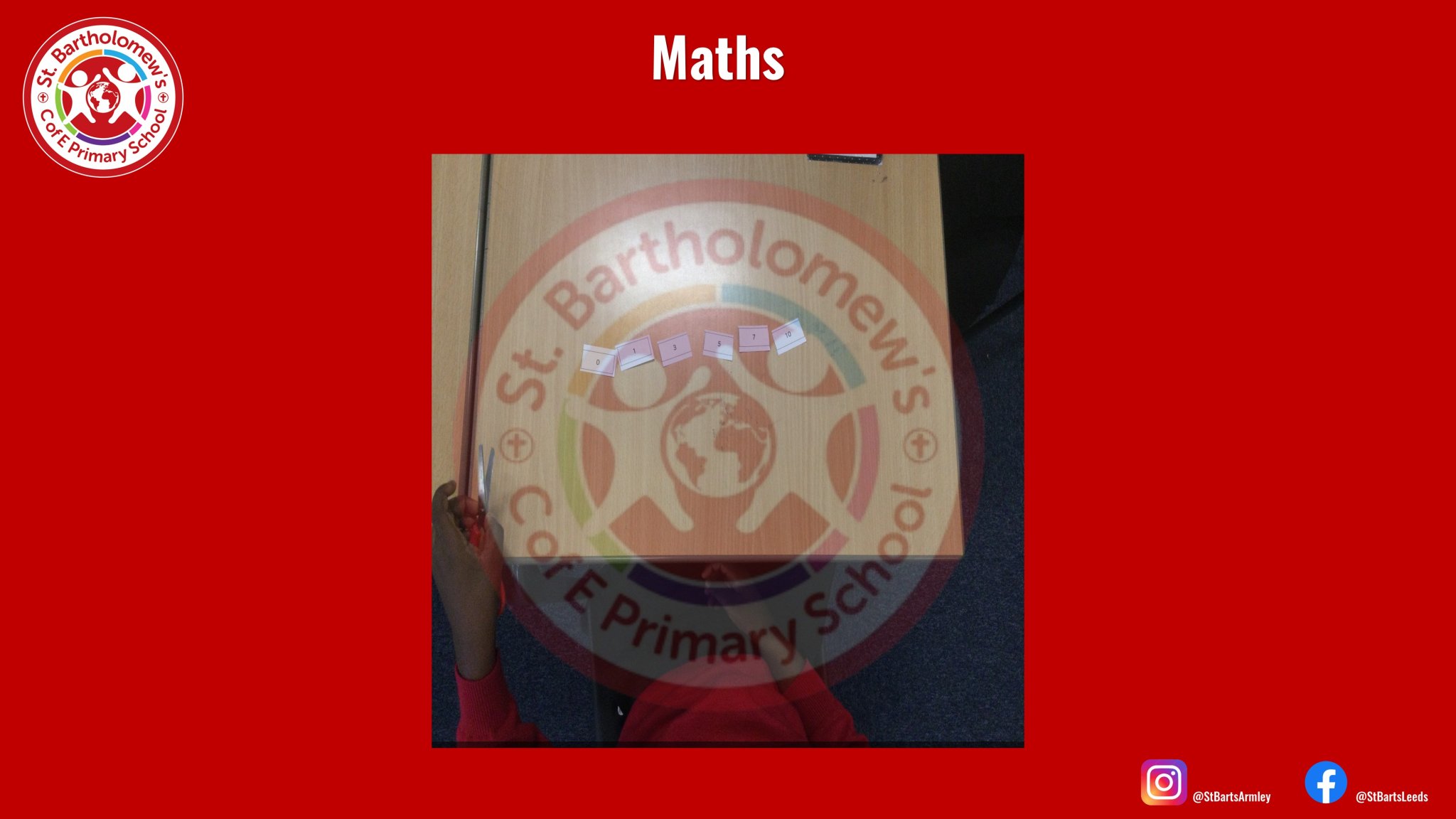
In maths this week in Year 1, we are focusing on number lines and putting numbers in order. The children worked hard cutting numbers and arranging them in order from smallest to greatest.
Curriculum - Maths - Partitioning Numbers to 100
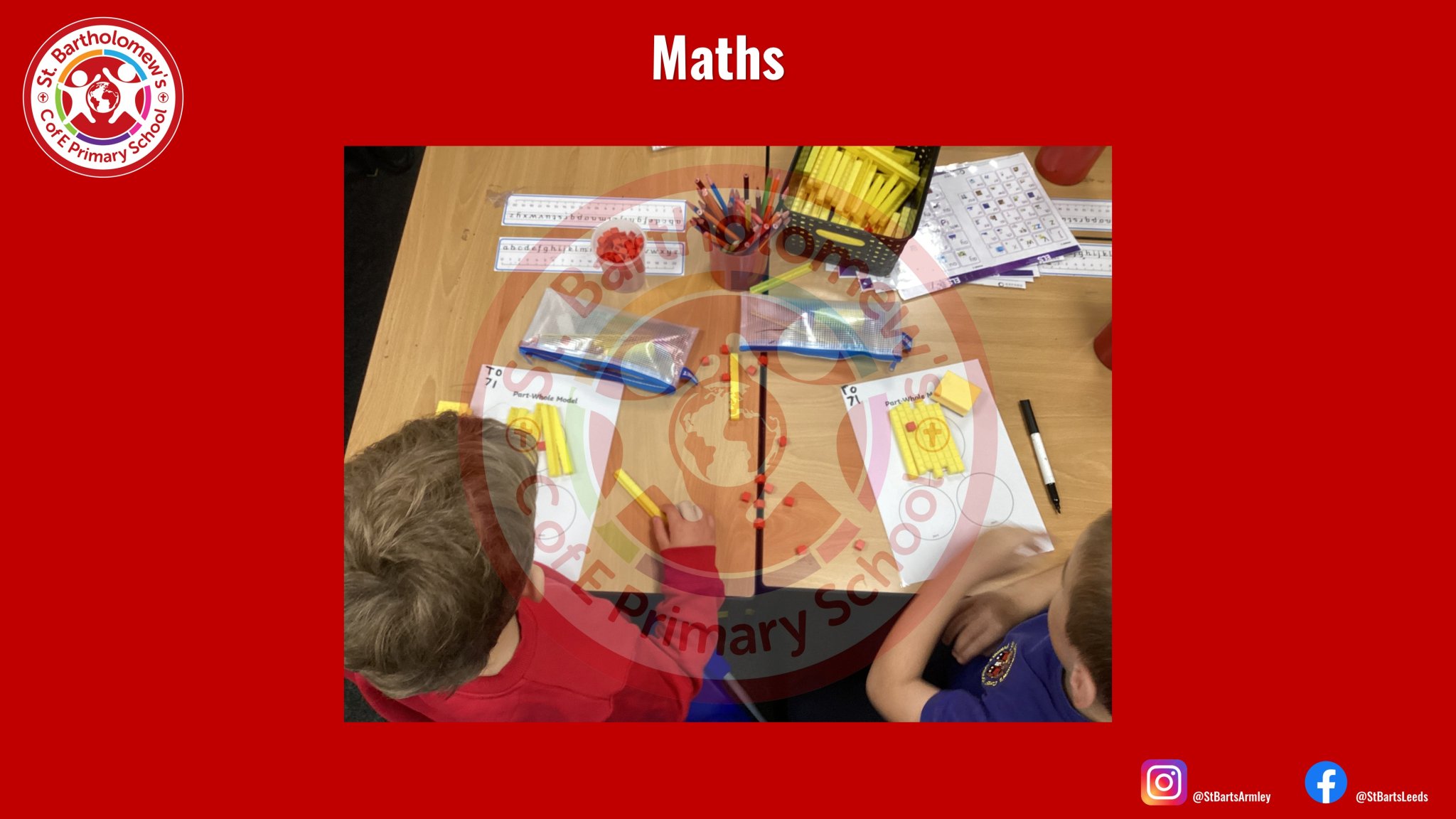
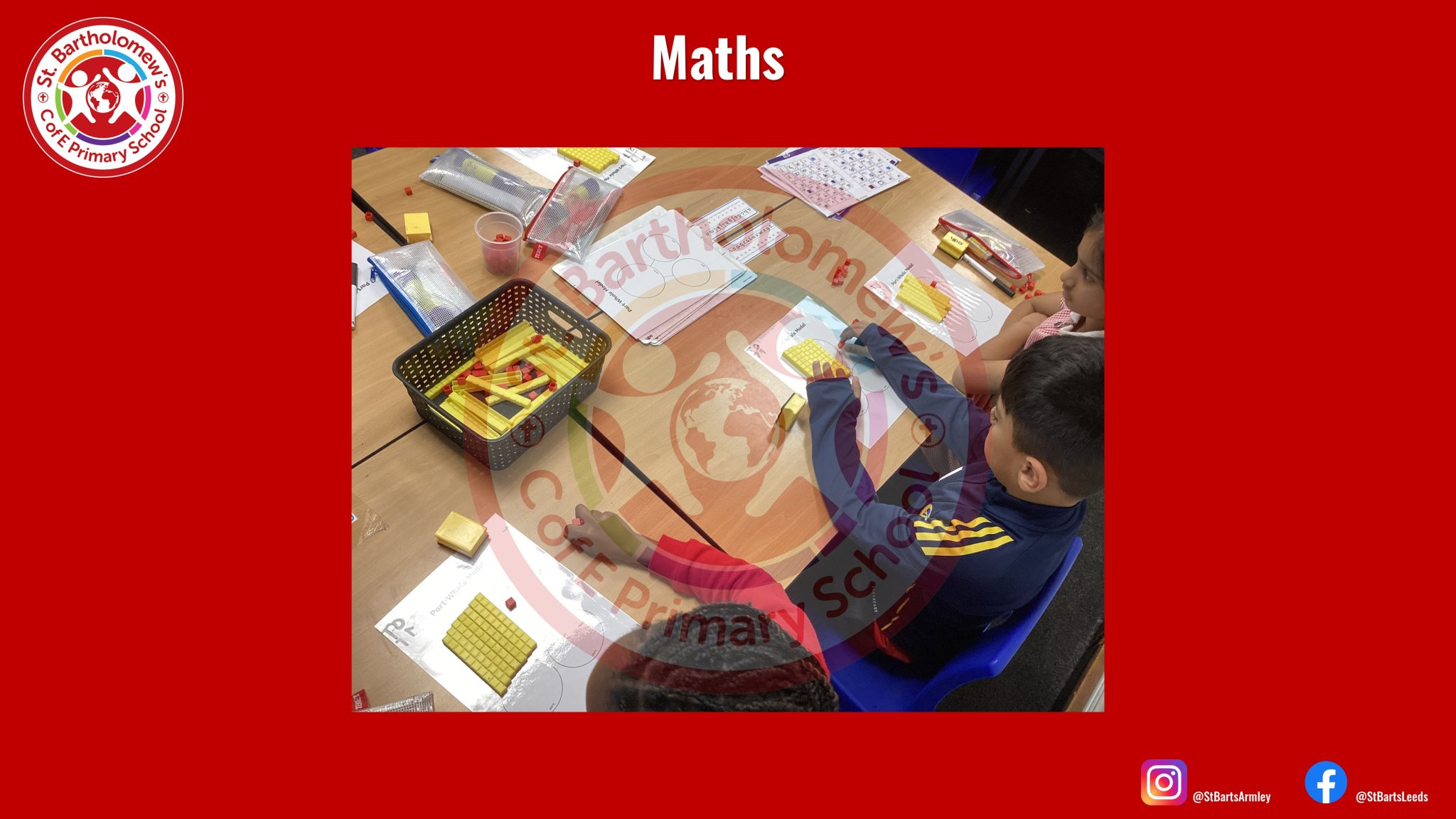
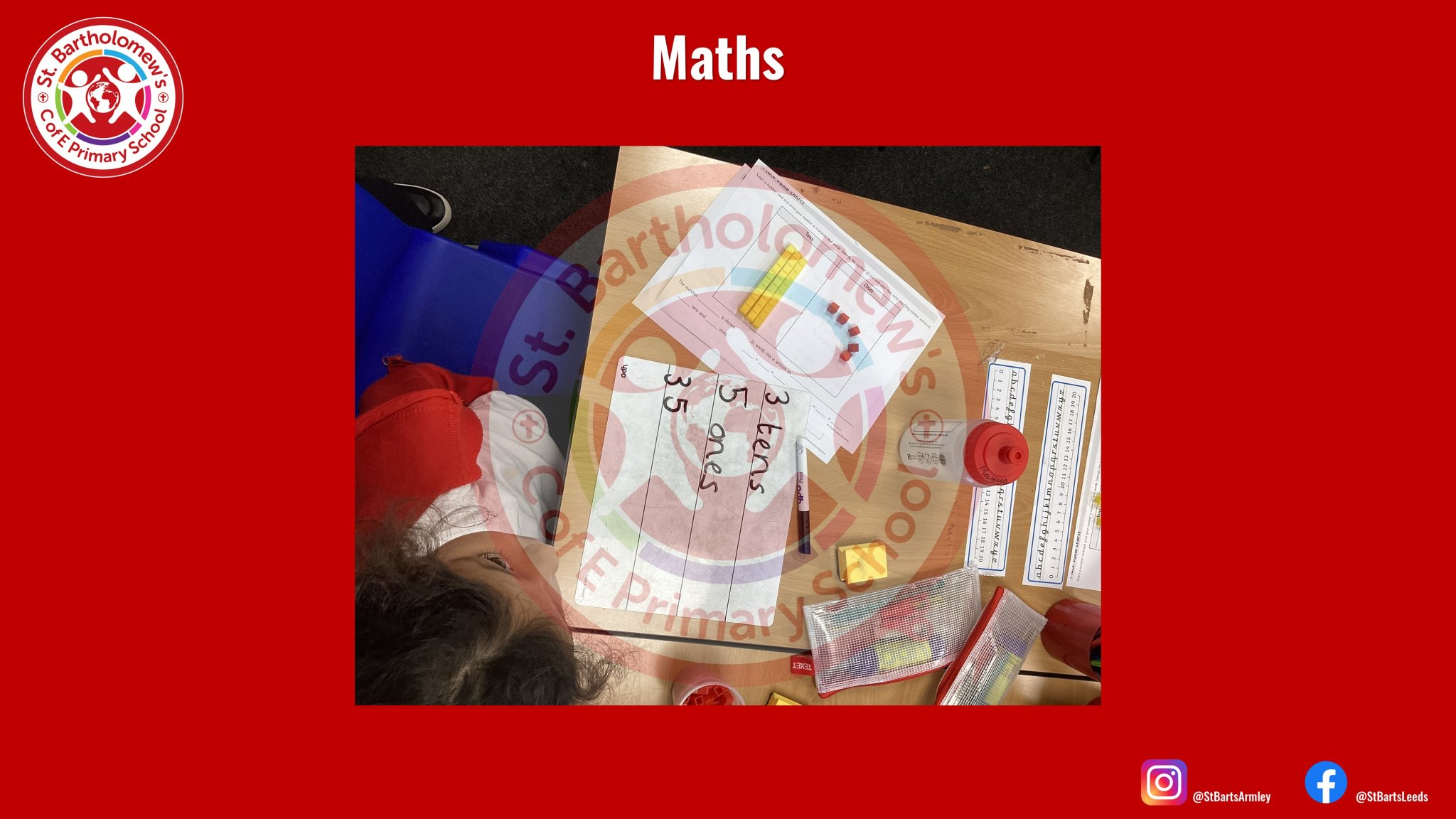
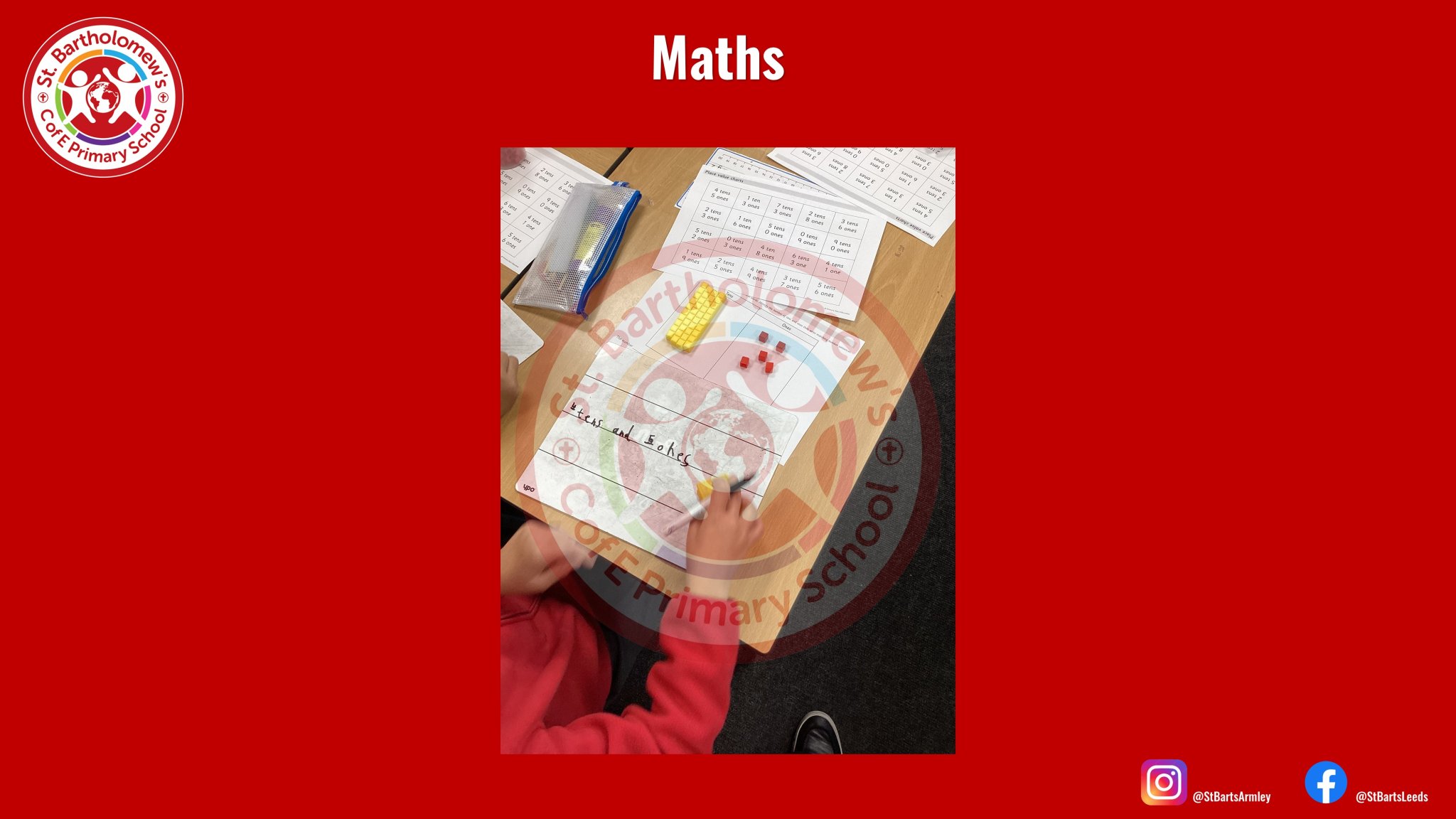
Children in class 5 have been looking at partitioning different numbers to 100. They have used base 10 and part whole models to look at different ways a number can be partitioned.
Curriculum - Maths - Place Value
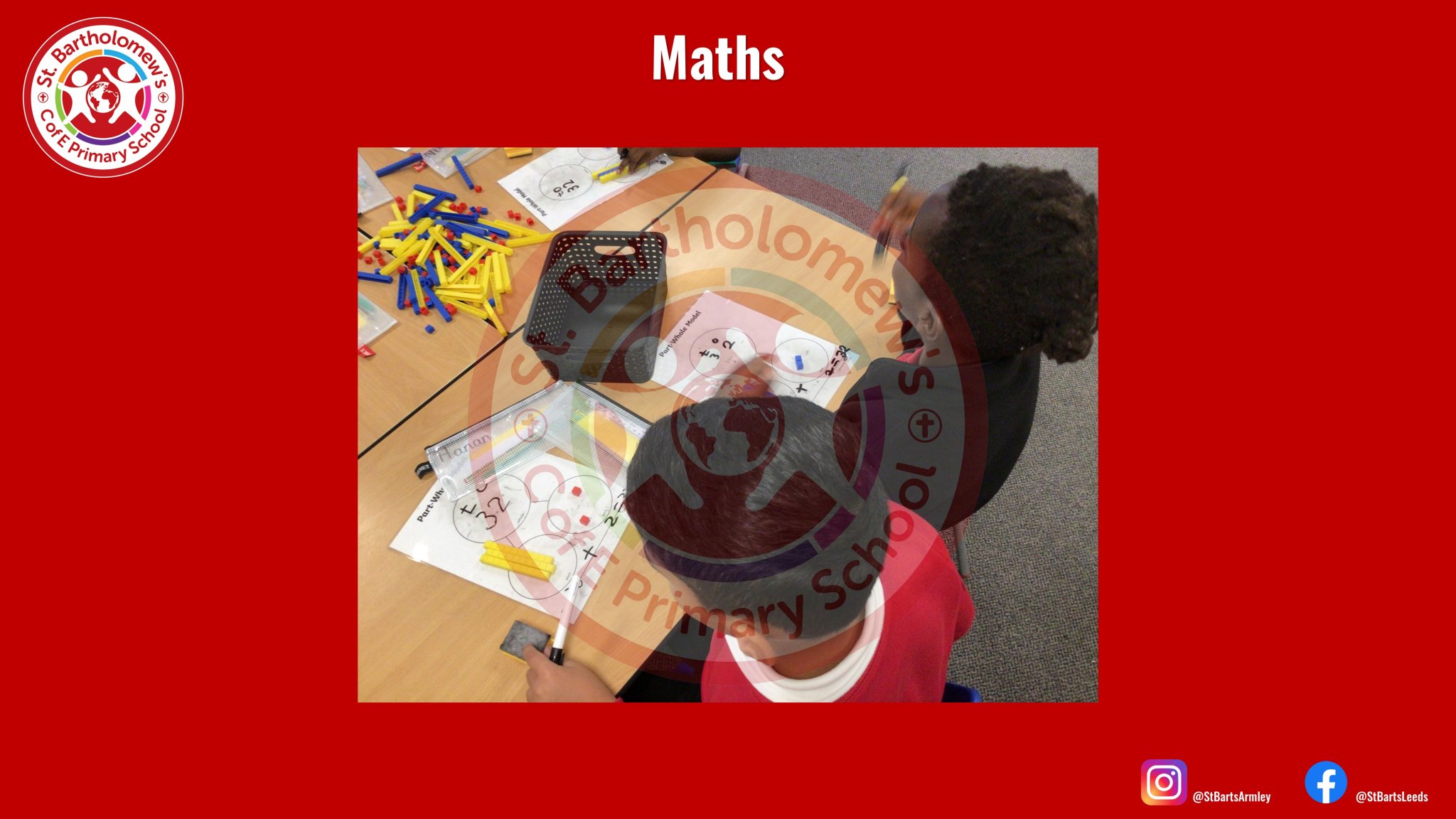
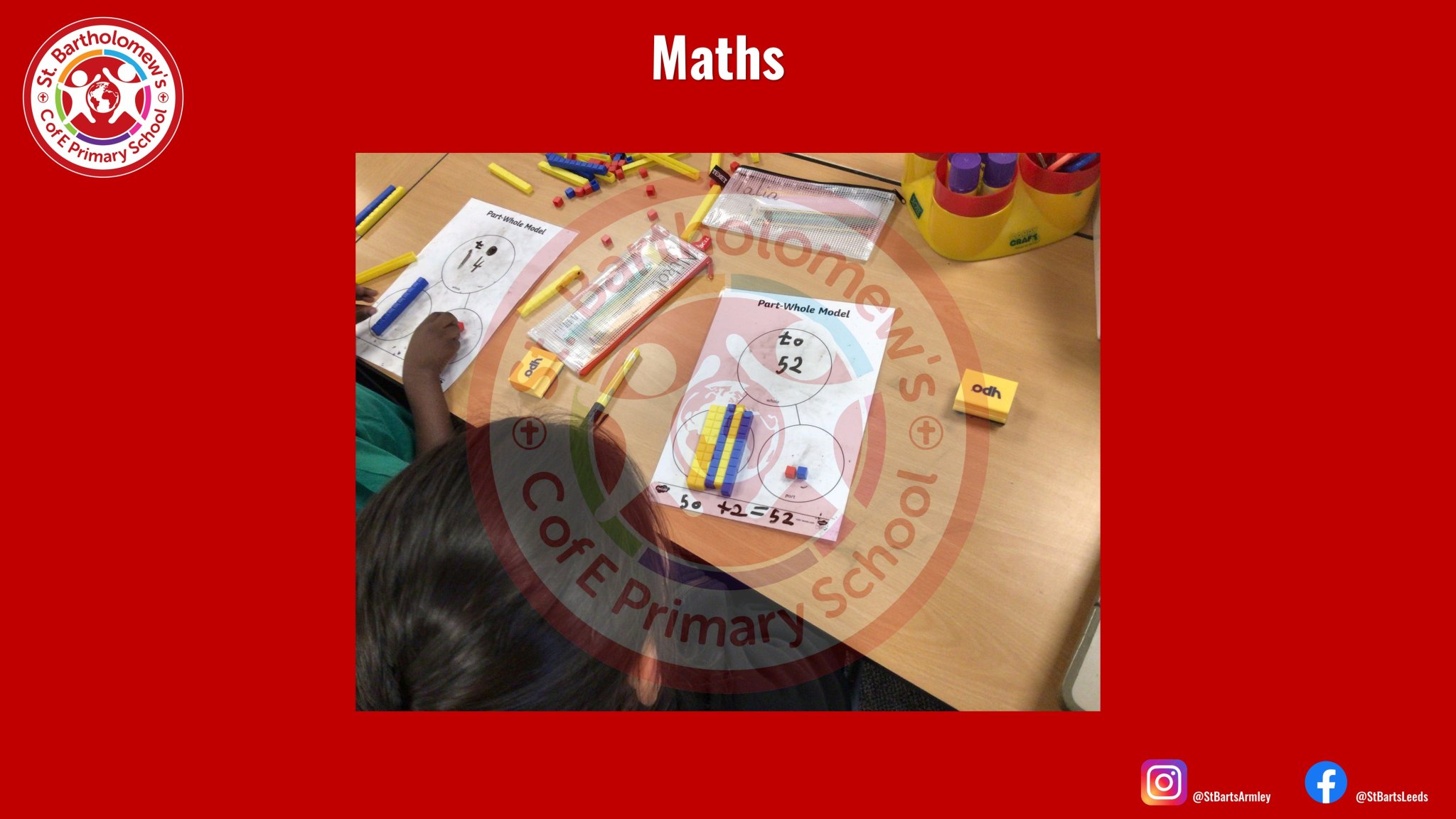
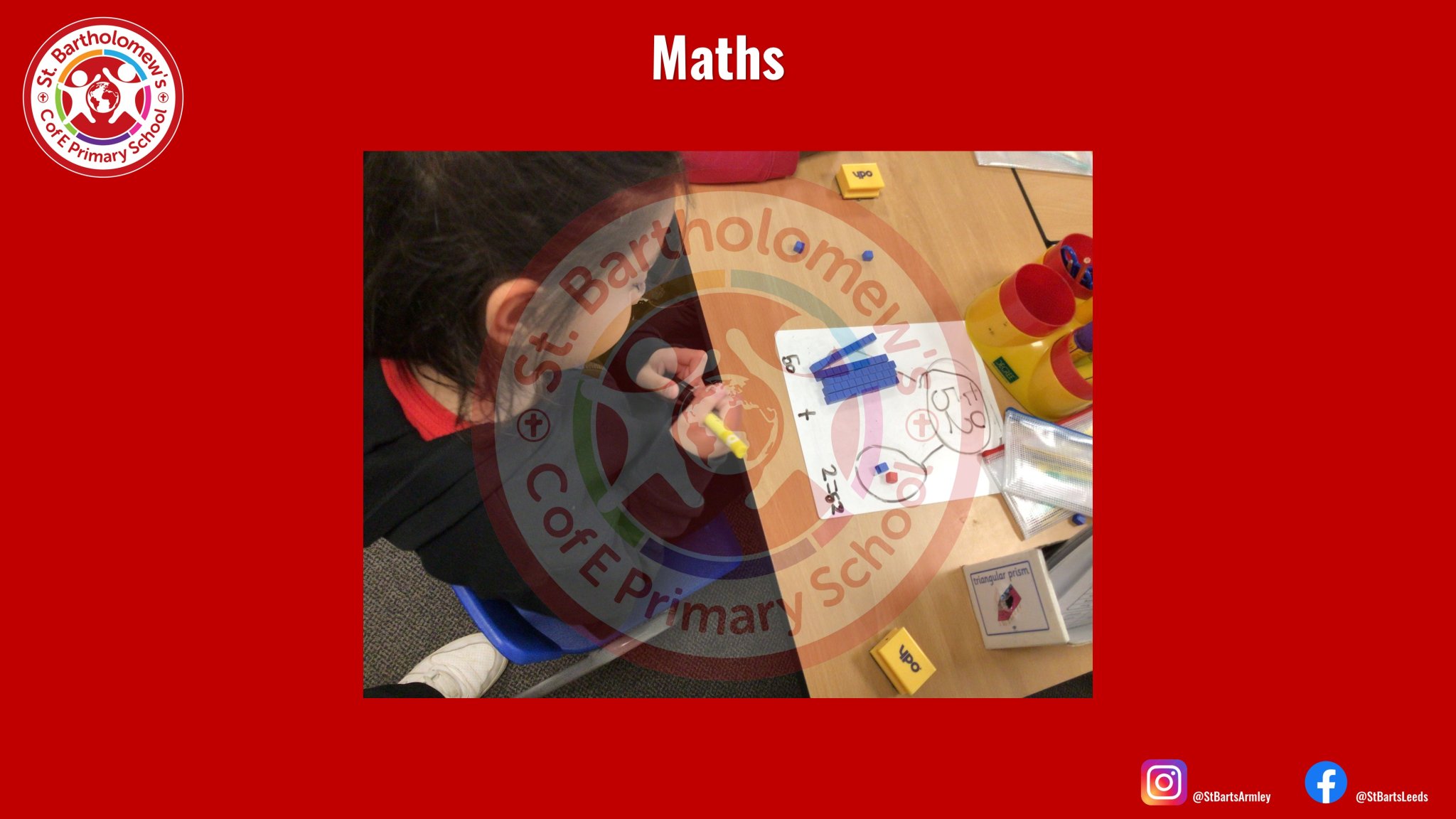
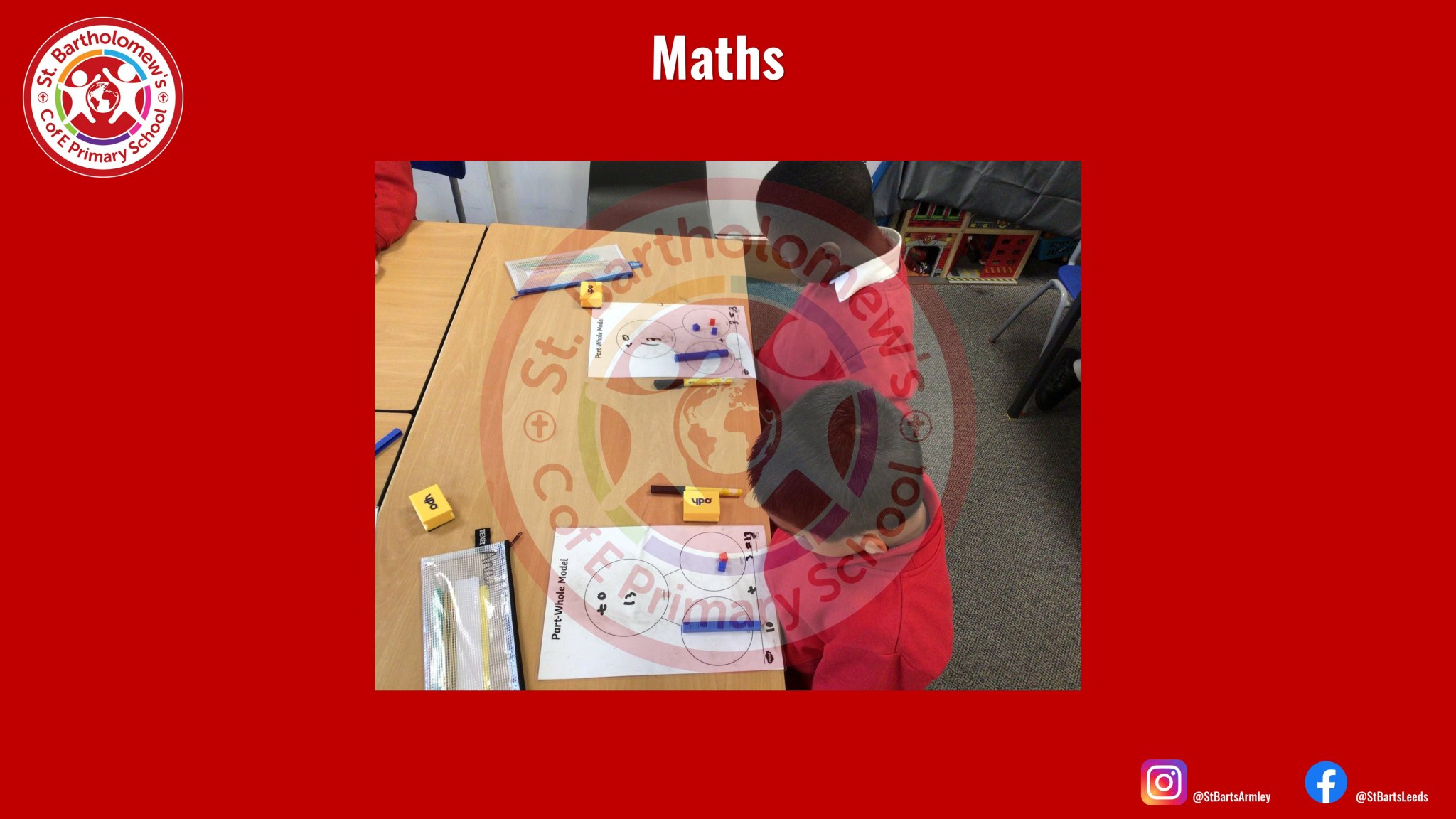
Class 6 have been learning about place value in maths. They took a number, partitioned it into tens and ones before adding it back together again. They enjoyed practically finding the amount of tens they needed and counting in tens, before counting on. Super work class 6.
Curriculum - Maths - 3 Digit Numbers
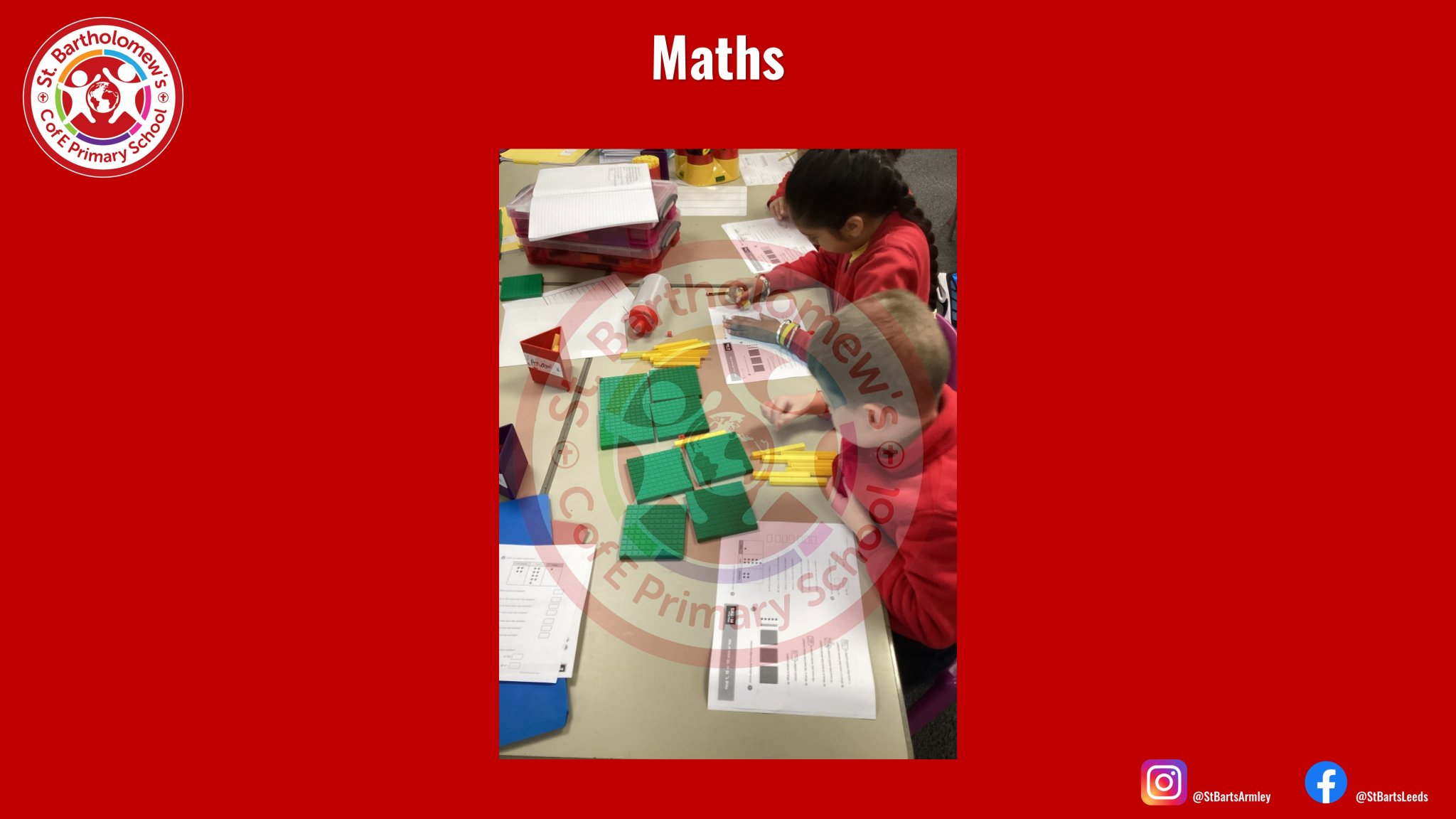
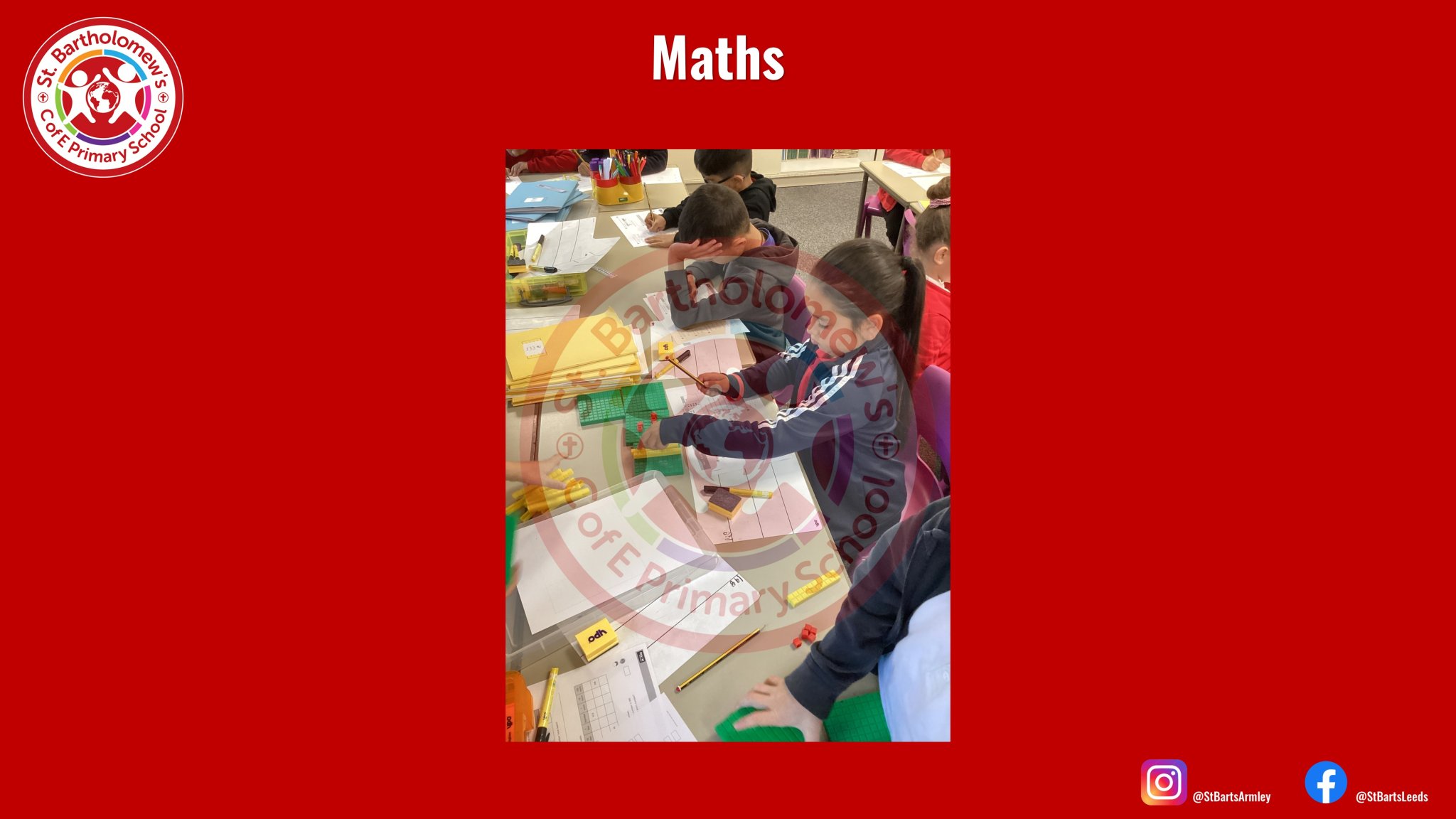
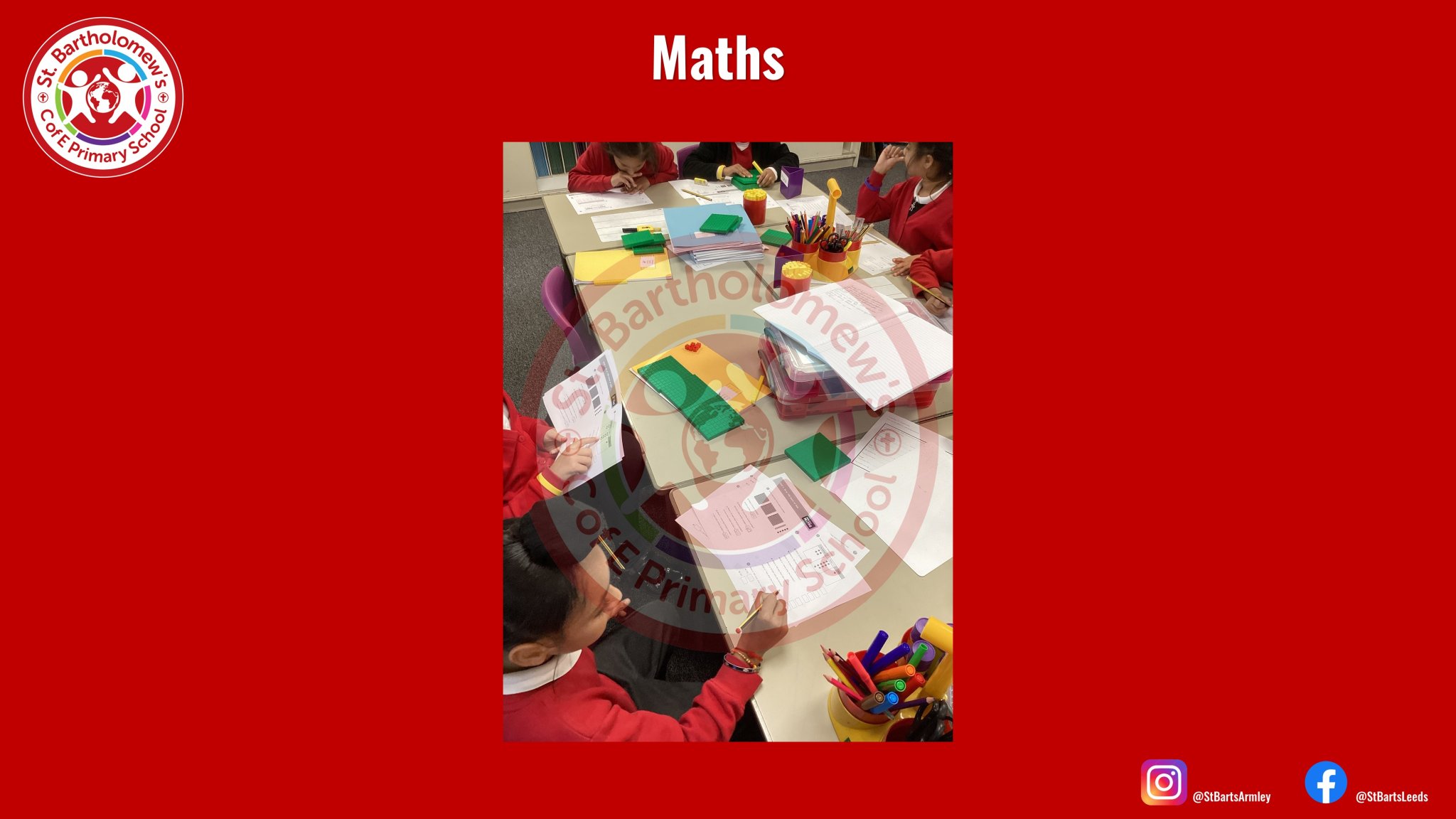
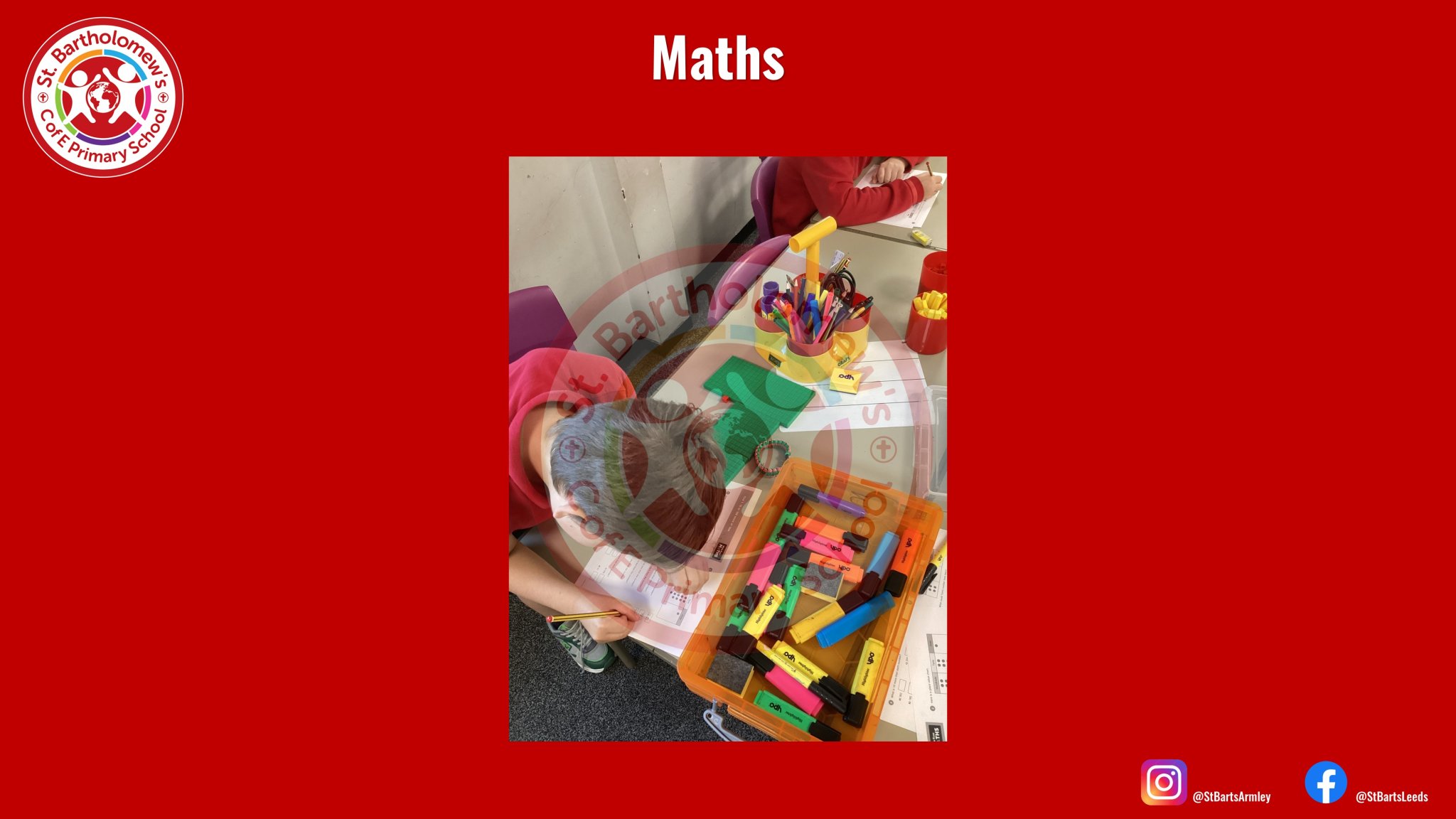
Today in maths we looked at 100,10 and 1 more and less than 3 digit numbers.
We used practical resources to help us if we needed to exchange when crossing the borders.
Curriculum - Maths - 3 and 4 Digit Numbers
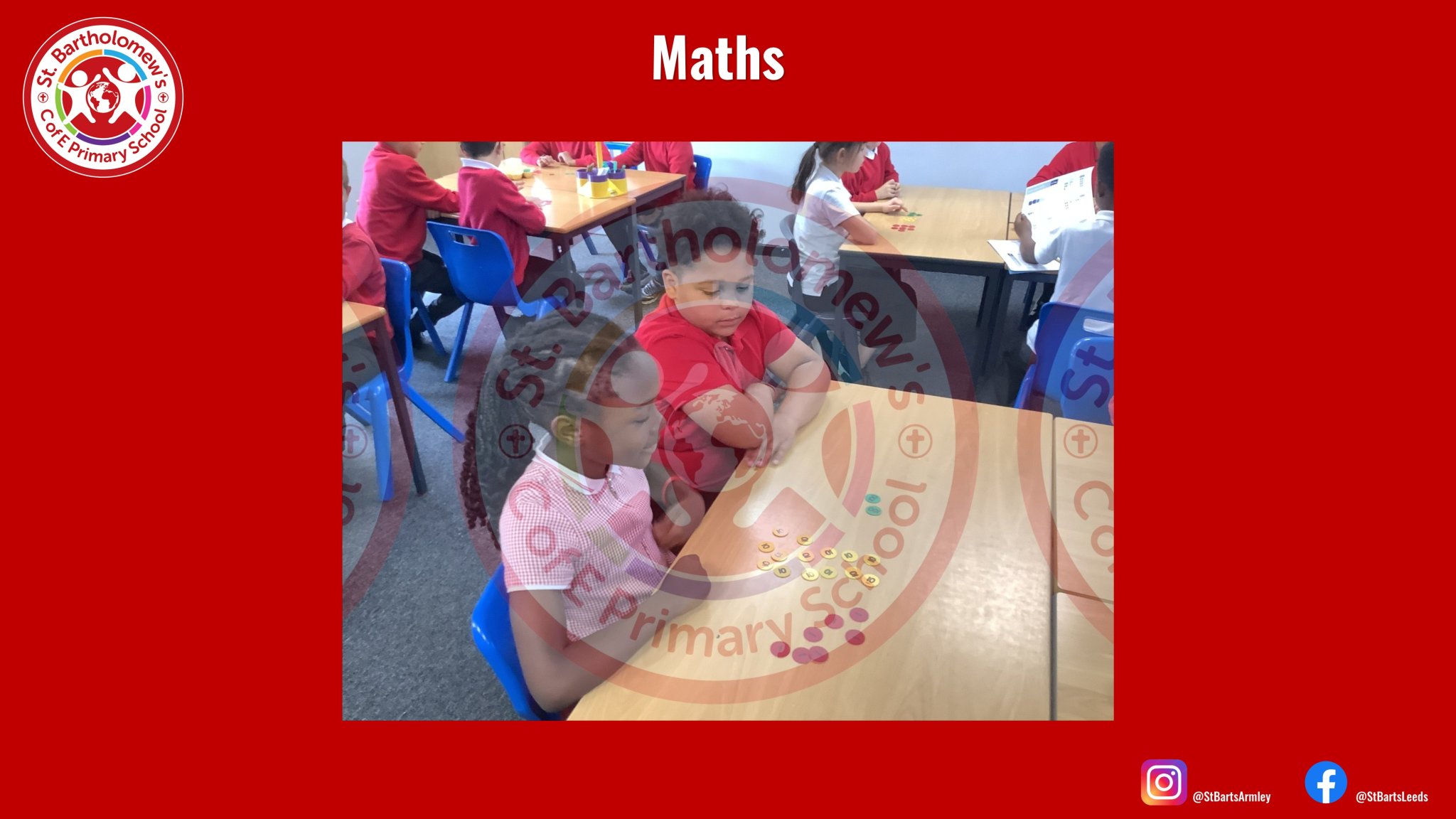
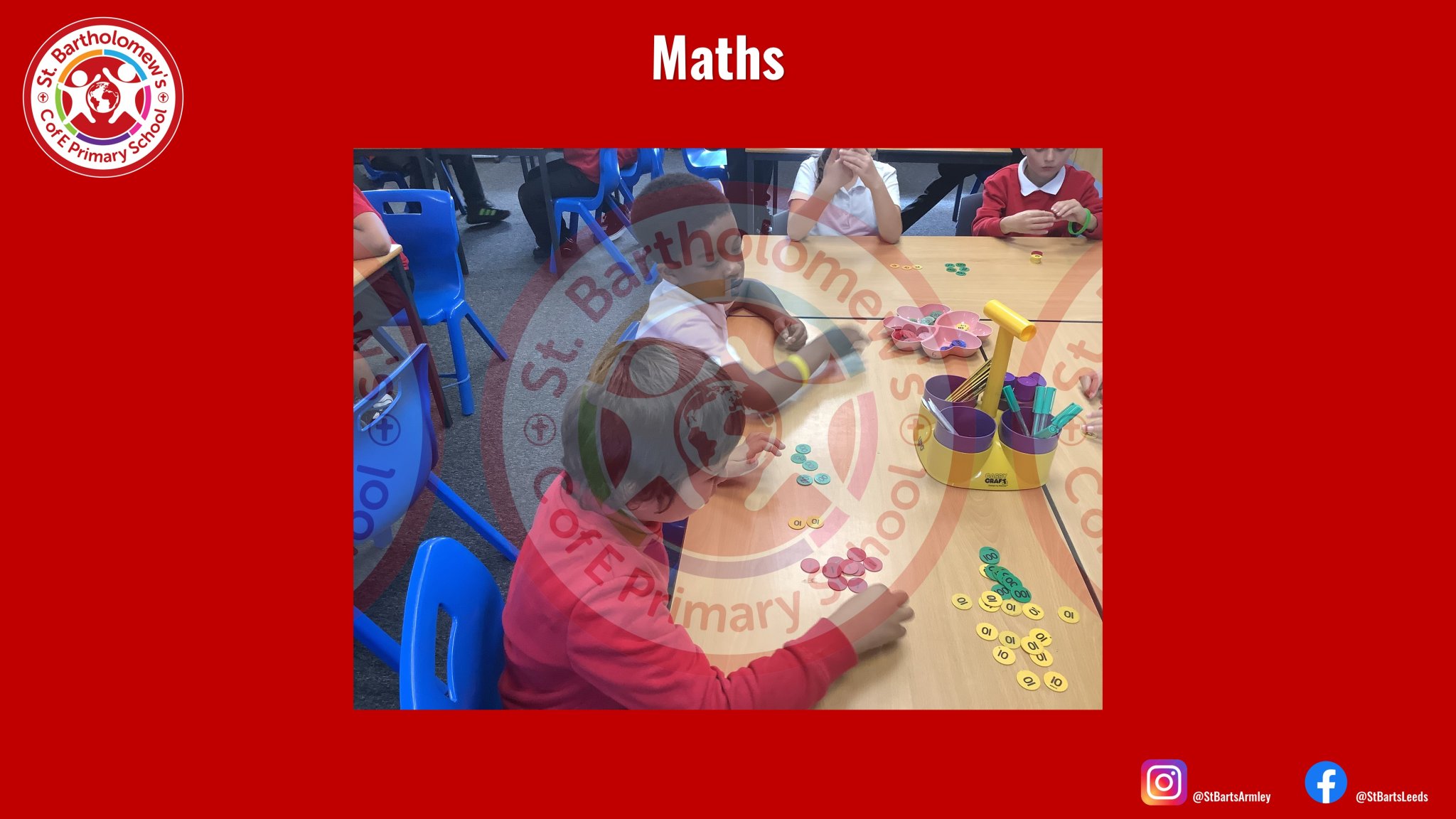
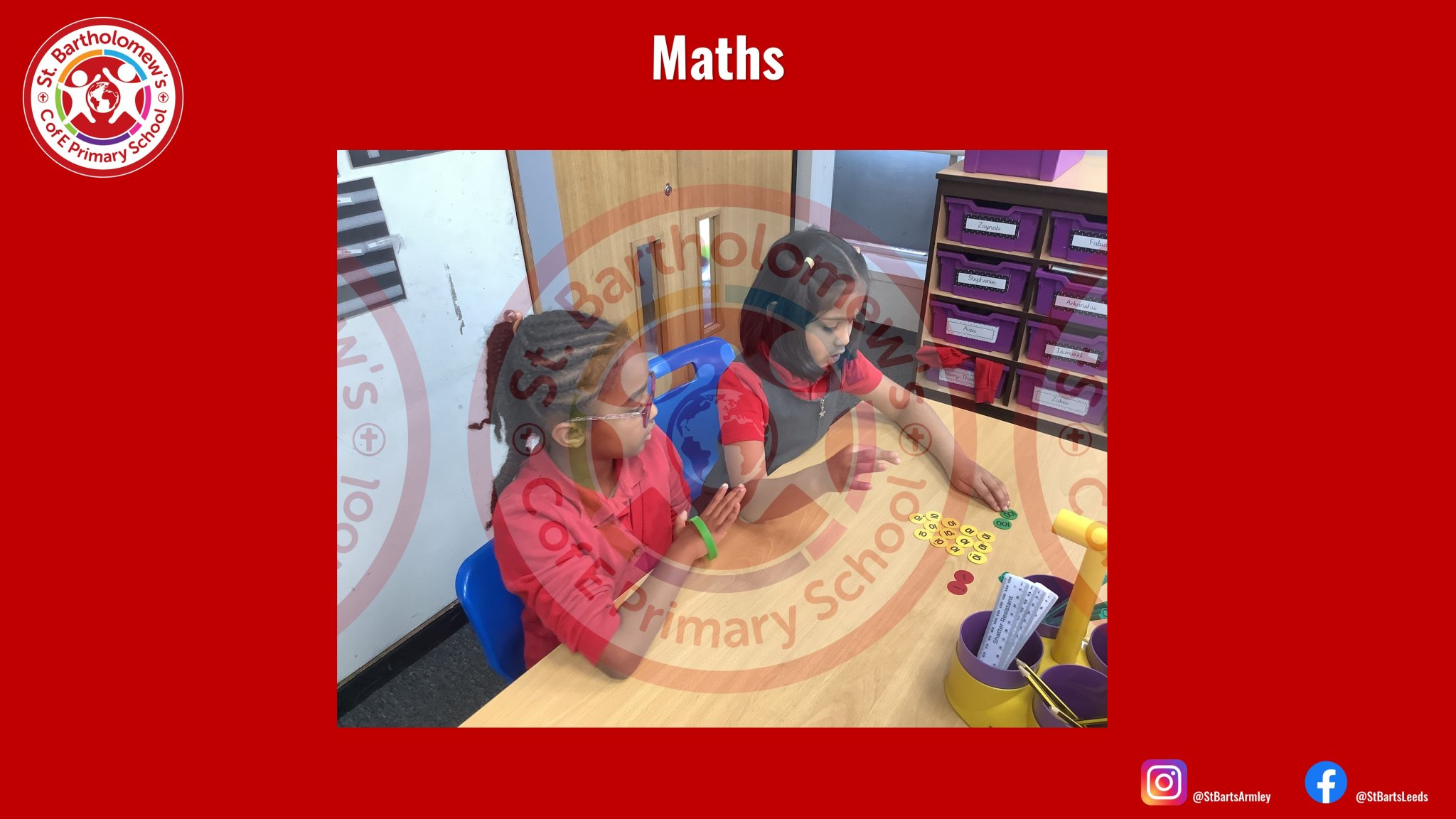
In Maths, Class 9 have worked in pairs to flexibly partition 3- and 4-digit numbers, using place value counters.
Curriculum - Maths - Microsoft Excel Calculations


Year 5 and Year 6 pupils continued developing their Excel skills in Computing Club, focusing on formulas and calculations to work out totals. They applied these skills to a real-life task, calculating the cost of petrol for visiting different attractions across the UK, which helped them understand how spreadsheets can be used for decision-making. They also learned how to create pie charts to present their data clearly, comparing the costs of different trips. This supported both their maths and computing skills while encouraging practical problem-solving.
Curriculum - Maths - Capacity and Measuring


In maths this week we have been looking at measuring.Today we worked together to measure the capacity of different containers.
Curriculum - Maths - Finding Fractions


Class 5 worked hard to find fractions of amounts using tens and ones.
Curriculum - Maths - Number Day 2026 - Pharmacist Visit


Class 13 were lucky enough to receive a visit from Mr Shah, who explained how he uses numbers every day in his career as a pharmacist. The children thoroughly enjoyed the session, especially seeing how he divides tablets into groups and calculates exactly how many are needed for a full week. It was a fantastic way to see real-life maths in action!
Curriculum - Maths - Scale and Measurement


Class 15 let their imaginations run wild after being inspired by the story The House the Greedy Pig Built. Using their super maths skills in scale and measurement, the children designed and created their own dream house blueprints. From clever layouts to exciting features, each design was as unique and creative as its designer!
Curriculum - Maths - Number Day 2026


The whole school made a big effort for Number Day 2026! Class 15, really enjoyed the visit from the pharmacist, they asked lots of questions and they now understand why maths is so important in all careers. KS1 They worked hard in the workshop, where they solved multiplication problems and worked together to create different objects using their bodies. KS2 had a workshop in the morning solving problems in teams with Trevvi from Times Tables Trattoria.
Curriculum - Maths - Number Day Hunt 2026


Half of Class 13 have been searching the school in their Number Day Number Hunt. They still have a couple to find over the course of the week. Let’s see if they find all 50!
Curriculum - Maths - Dividing


Today we continued with our dividing. We learned how too exchange when our 10s would not share equally.
Curriculum - Maths - Sharing a 2 Digit Number


Today we practiced sharing a 2 digit number by a 1 digit number. We knew that the number of groups was determined by the number we were sharing by and that all of our groups had to be equal. We looked briefly at what to do when we had extra counters that made our groups unequal and created remainders.
Curriculum - Maths - Times Tables


During our Times Tables lesson we had a team game of hit the button the team with the most correct answers in 2 minutes won superstars. Everyone tried their best and were encouraged by their teams.
Curriculum - Maths - 2 Digit Division


To begin our division unit, year 4 worked together to practically solve 2-digit divided by 1-digit calculations.
Curriculum - Maths - Addition and Subtraction within 10


Class 4 have been practising answering addition and subtraction questions within 10. They enjoyed playing a game to see who could answer the most addition and subtraction questions in partners.
Curriculum - Maths - Exchanging Tens and Ones
Class 6 have been working hard in maths learning how to practically exchange tens and ones. This is a new concept for them, but they soon started to understand that when they tried to add the ones column and it went over ten, they needed to exchange ten of those ones for a rod of ten. After practicing this together they soon were able to do it on there own. Very impressed class 6.
Curriculum - Maths - Subtraction Within 10


Class 4 have enjoyed practising subtraction within 10 using a number line.
Curriculum - Maths - 2 Digit Numbers & Practical Resources


In maths class 6 have been learning how to add two, 2 digit numbers using practical resources. Firstly they wrote the calculation, then got the tens and ones, before adding the one, then adding the tens. They then moved onto the pictorial method, drawing the tens and one. They’ve all done an excellent job.
Curriculum - Maths - Equivalent Fractions


Children in Class 12 impressed Mr Needham with their work on equivalent fractions. Well done Class 12!
Curriculum - Maths - 3D Shape Vocabulary


Class 6 learnt some new vocabulary in maths when learning about 3D shape. They learnt, faces, vertices and edges. They then explored different shapes and discovered how many faces, edges and vertices each shape had and if there were any patterns.
Related News
Maths Rucksacks - 30.09.2026

Maths at St Bart's

Maths Rucksacks - 13.05.2026
Related Blog Posts
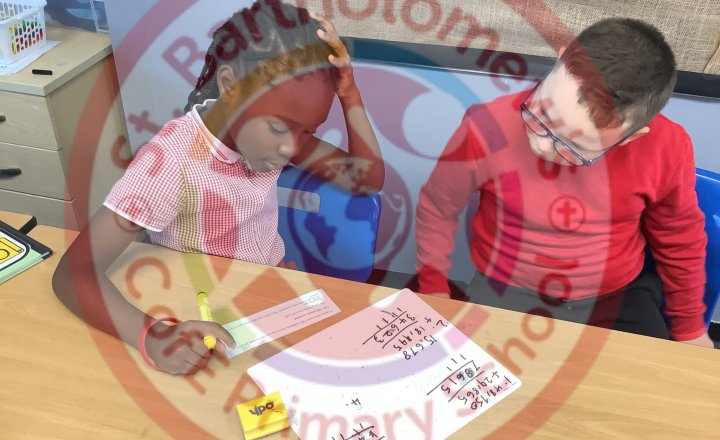
Year 4 (Class 9) - Maths / Oracy - The Listening Strand
Class 9 did some Oracy in Maths this week. We focused on the listening strand, picking out key information to solve problems. We worked in pairs to solve one and two step addition and subtraction word problems.
We firstly came up with an action to identify whether we needed to add or subtract…
Year 1 (Class 4) - Maths - Part Whole Models, Ten Frames and Addition
In Year 1 this week, we have been exploring part whole models, tens frames and addition.
Today we were linking tens frames, part whole models and addition sentences by representing a picture in those different ways.
Year 5 (Class 13) - Maths - Multiplication Tables
Class 13 used TT Rock Stars to improve their recall of multiplication tables.
The children selected the times tables they needed to practise, allowing them to focus on their individual targets.
All pupils engaged enthusiastically with the activity and enjoyed the opportunity to develop…